A Practical Guide To CPE Level 1 Events
CPE agility events offer a welcoming starting point for teams learning how to compete. The Canine Performance Events format is designed around skill development, teamwork, and a positive experience, making Level 1 an accessible place for new handlers and young or inexperienced dogs to begin.
A first trial can still feel busy. There may be check-in instructions, measuring or height-card requirements, course maps, walk-throughs, multiple rings, and unfamiliar procedures to manage. Understanding the rhythm of the event helps handlers arrive prepared and gives photographers a clearer idea of where the important moments will happen.
Every trial has its own premium and scheduling details, so the current event information should remain the final authority. Use the general guidance below as a practical foundation for preparing, photographing, and finding memorable images from a CPE Level 1 weekend.
Understanding The Level 1 Experience
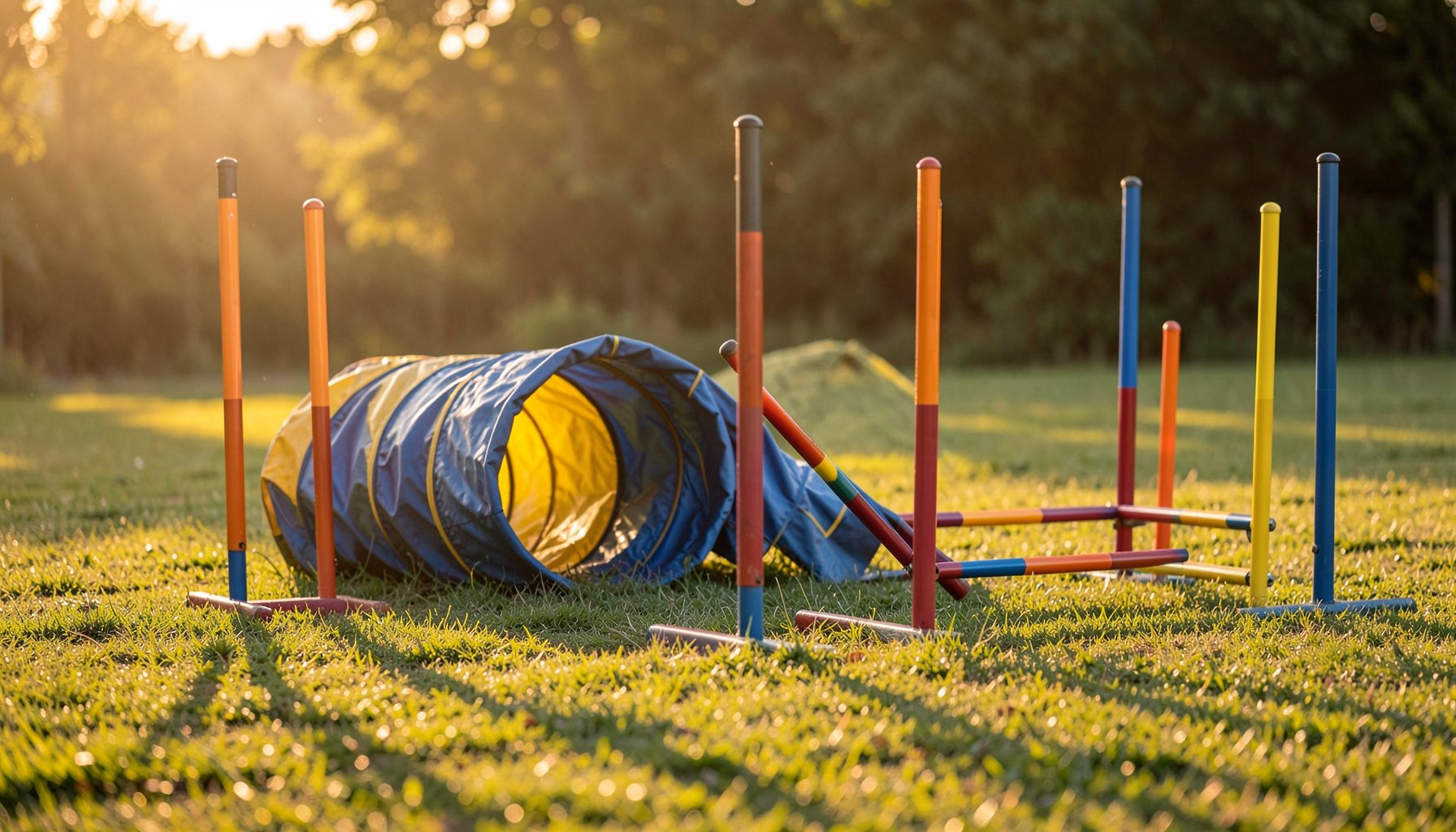
Level 1 courses typically introduce fundamental agility skills through obstacles such as jumps, tunnels, contact equipment, and weave poles when included by the class and venue. The exact course design, obstacle selection, time limits, and scoring rules can differ, so handlers should study the posted rules and course map rather than relying on assumptions.
At this stage, the goal is usually clear communication and a successful routine. A dog may perform some obstacles confidently while hesitating at others. A missed obstacle, refusal, or course error is part of the learning process, and teams can gain valuable experience even when a qualifying performance is not the result.
Handlers should pay close attention to the briefing. The judge may explain entry and exit procedures, leash rules, course flow, and ring-specific expectations. Knowing where to wait, when to remove a leash, and how to leave the ring keeps the dog focused and reduces stress for everyone nearby.
Preparing Before The Trial
Preparation begins well before the event date. Practice short sequences that combine a jump with a tunnel, a change of direction, or a simple contact approach. Work on attention around distractions, a reliable start-line routine, and the dog’s ability to move from the staging area into the ring without becoming overwhelmed.
Pack practical essentials: water, treats if permitted outside the ring, a leash and collar, waste bags, crate supplies, paperwork, comfortable clothing, and weather protection. Build in extra time for parking, check-in, measuring requirements, and locating the correct ring. A calm arrival gives the dog time to settle before the first run.
New handlers often benefit from watching a class before their own turn. Observe how teams enter, where handlers position themselves, and how quickly the ring resets. Ask event volunteers or club members for procedural help when needed; agility communities generally understand that every experienced competitor once had a first trial.
Photographing A Beginner-Friendly Run
For photographers, Level 1 presents a strong mix of action and emotion. New teams may show intense concentration, quick changes of direction, celebratory finishes, and moments of uncertainty that tell a fuller story than a technically perfect jump. Plan to capture the relationship between dog and handler as well as the obstacle itself.
Positioning depends on the course layout and venue rules. Stay outside restricted areas, avoid blocking the judge or ring crew, and choose angles that show the dog’s face, body position, and handler connection. A low viewpoint can emphasize a jump or tunnel exit, while a wider frame can preserve the setting and show the team’s route.
Shutter speed, autofocus tracking, and timing matter in fast canine sports. Freeze-frame images can preserve an extended leap, a focused expression, or a precise contact-zone moment. Motion blur can also communicate speed and energy when used deliberately; this action shot guide explains how both approaches affect the finished photograph.
A photographer should also expect imperfect runs. A dog looking back at its handler, a handler reacting to an unexpected turn, or a joyful post-run celebration may become one of the most meaningful images in the gallery. Variety helps owners remember the whole experience rather than a single obstacle.
Key Differences Between Handler And Photographer Priorities
Handlers are focused on communication, safety, and completing the course according to the event rules. Photographers must think about light, background, timing, equipment, and the position of other people. Understanding these different priorities helps both groups share the venue respectfully.
| Event Moment | New Handler Focus | Photographer Focus |
|---|---|---|
| Before the run | Check the order, leash, and start routine | Confirm safe position and camera settings |
| Walk-through | Memorize direction and handling points | Identify likely action zones |
| Start | Establish attention and a smooth release | Track the first obstacle without distraction |
| Mid-course | Adjust calmly after mistakes | Capture expressions, turns, and obstacle variety |
| Finish | Reward the dog and exit efficiently | Photograph celebration and recovery moments |
| After the class | Review notes and care for the dog | Organize files by event and class |
The best photographs often come from preparation rather than constant movement. A photographer who studies the course can anticipate a tunnel exit or turning jump and maintain a clean background. A handler who understands where cameras may be located can keep attention on the dog without worrying about every shutter click.
Consent and courtesy matter, especially when photographing people beyond the intended subject. Follow the host club’s policies, respect areas marked as off-limits, and avoid using flash when it could distract a dog or interfere with judging.
Finding Images After The Event
Event photography is easiest to browse when galleries are organized by trial, club, class, handler, and dog. Names can be entered in different ways, however. A dog may appear under a registered name, call name, partial spelling, or an owner’s listing, so searching with a few variations can help.
When looking through a large gallery, start with the event date and club name, then narrow the results by handler or dog. If the first search does not work, try the dog’s registered name, remove punctuation, or search a distinctive part of the name. These practical search tips can make locating a run much faster.
Review more than the first image in a sequence. A dog may have an excellent expression in one frame and a better body position in the next. Compare images for sharpness, eye contact, obstacle visibility, and the emotional quality of the moment before selecting a favorite.
Secure online ordering also makes it easier to choose prints and other photo products after the excitement of the trial has passed. Check cropping options and product dimensions before placing an order, particularly when selecting an image with a wide course view or a dog near the edge of the frame.
Recommendations For A Smooth First Trial
Small habits can make a substantial difference for both teams and event photographers. Focus on preparation that supports the dog’s comfort and keeps the day manageable.
- Read the official premium, schedule, and current CPE rules before traveling.
- Practice ring-entry, start-line, reward, and exit routines in distracting locations.
- Bring identification, paperwork, water, weather gear, and a simple packing checklist.
- Photograph a range of moments, including warm-ups, obstacle action, handler focus, and celebrations.
- Organize images promptly using the event, club, handler, and dog names.
A realistic plan should include rest. Dogs may become tired or overstimulated after several runs, while photographers can lose concentration during long class blocks. Short breaks, hydration, and a quiet place away from the ring can improve performance and enjoyment for everyone.
Turning A First Run Into A Lasting Memory
A CPE Level 1 event is valuable even when the course does not go exactly as planned. The first successful tunnel, a brave start-line release, or a dog confidently returning to its handler can mark an important step in the team’s development. Photographs preserve those milestones in a way that scores and ribbons cannot.
For photographers, beginner classes offer a chance to document genuine progress and connection. For handlers, a well-organized gallery provides a visual record of the dog’s movement, confidence, and personality. Browse Pawprint Pictures to locate event galleries, search for a team’s images, and select photographs that capture the excitement of a first CPE experience.
When the next trial arrives, the team can build on what it learned: clearer handling, more confident ring routines, and a better understanding of the event environment. Start by finding your gallery, choose the image that best tells your dog’s story, and turn that first Level 1 memory into a keepsake.