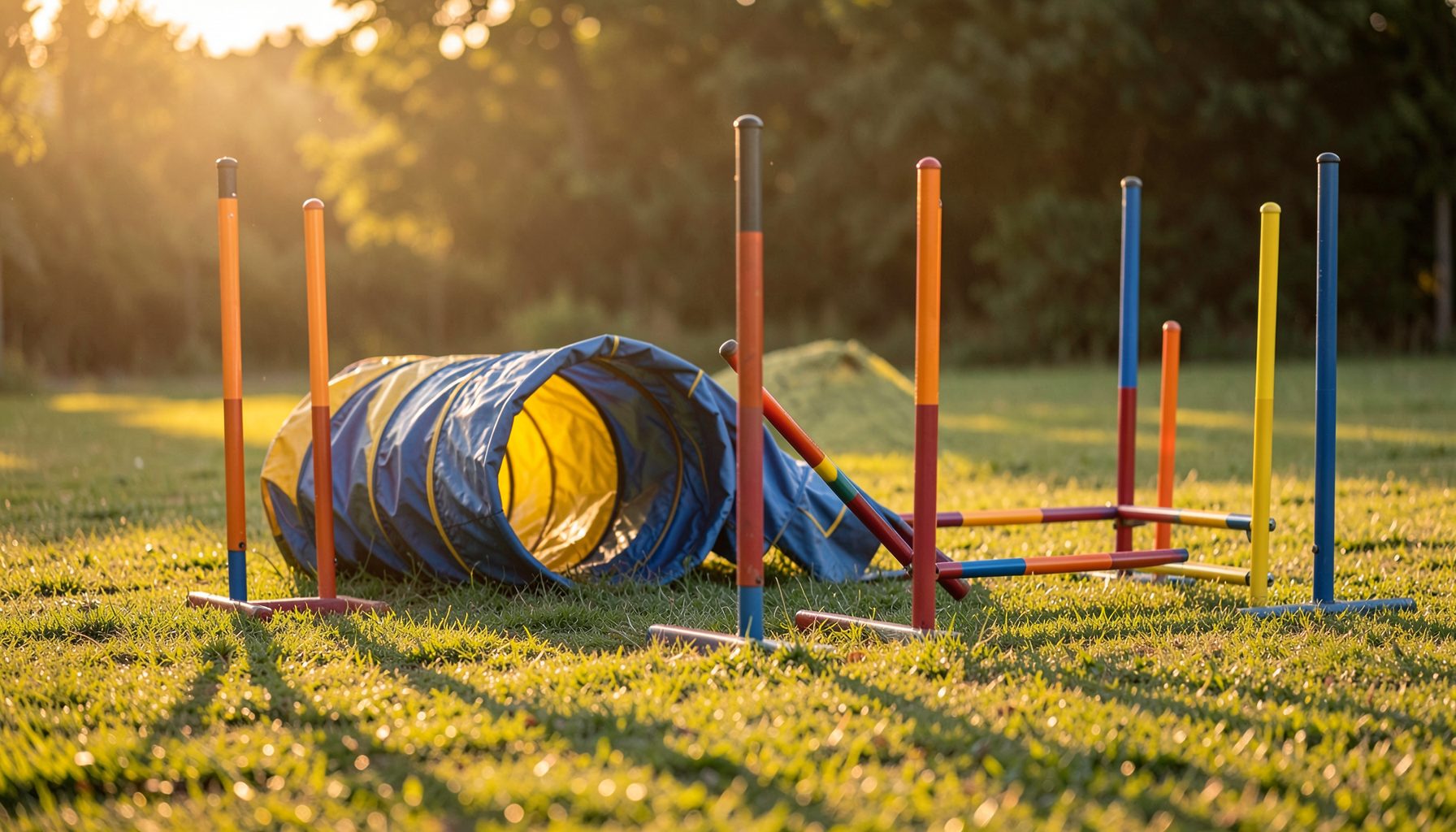
Choosing Paper Finishes for Dog Agility Photo Prints
A great agility photograph deserves a finish that preserves the speed, expression and atmosphere of the moment. The right paper can make a Border Collie’s coat look richly textured, keep a handler’s face clear, and help a colourful ring scene feel lively without turning every highlight into a glare.
For Australian dog owners, the decision also depends on where the print will live. A framed image in a bright Queensland room needs different treatment from a small keepsake displayed in a shaded study in Melbourne. Understanding the strengths of lustre, glossy, matte and specialist papers makes it easier to order prints that look right for your home, club wall or trophy display.
Understanding The Main Paper Finishes
Lustre, sometimes called satin or semi-gloss, is the most versatile choice for event photography. Its lightly textured surface gives colours depth while reducing reflections. That balance suits agility images particularly well because it preserves detail in fur, eyes, weave poles and contact equipment without looking overly shiny.
Glossy paper has a smooth, reflective coating that produces bold colour and sharp contrast. It can make a red tunnel, blue jump wing or green grass appear especially vivid. The trade-off is that fingerprints and reflected windows or ceiling lights are more noticeable, so glossy prints are best displayed behind glass or in a position away from direct sun.
Matte paper has little or no visible sheen. It offers a softer, understated appearance and is comfortable to view under strong indoor lighting. Fine fur detail can appear slightly less punchy than on lustre or glossy stock, but the reduced reflection is valuable for certificates, club displays and photographs intended to be handled regularly. If you need help locating a particular dog or event gallery, the customer support page can guide you through the search process.
Matching The Finish To Agility Photography
Agility photographs often contain fast movement, dark shadows and bright outdoor backgrounds. A semi-gloss or lustre finish usually handles this combination well. It supports crisp edges around a jumping dog while keeping the surface calm enough for the viewer to study the handler’s body position and the dog’s line through the course.
Glossy paper can be a strong option for a dramatic action portrait, especially where the image has saturated colour and a clean background. It is less forgiving when the photograph contains large pale areas, bright skies or strong highlights. Reflections may draw attention away from the dog, particularly when the print is displayed near a window.
Matte is often suited to softer portraits, black-and-white images and photographs with a documentary feel. It can also work beautifully for older dogs, training memories and candid moments around the ring, where a gentle finish supports the story rather than emphasising maximum contrast.
The image itself matters as much as the paper. A dark-coated dog photographed under overcast skies may benefit from the extra depth of lustre, while a high-key portrait with a pale background may look more balanced on matte stock. Consider the photograph’s lighting, colour palette and intended viewing distance before choosing.
Comparing Finishes For Different Uses
| Finish | Appearance | Main strengths | Points to consider | Suitable agility use |
|---|---|---|---|---|
| Lustre or satin | Soft sheen with subtle texture | Strong detail, balanced colour, fewer reflections | Slightly less dramatic than glossy | Everyday event prints, framed action shots |
| Glossy | Bright, smooth and reflective | Vivid colour, strong contrast, crisp appearance | Shows glare and fingerprints | Dramatic portraits and bold outdoor images |
| Matte | Low sheen and gentle contrast | Easy viewing, elegant finish, fewer reflections | Colours may look less intense | Club displays, black-and-white images, albums |
| Metallic or pearl | Shimmering, high-impact surface | Exceptional depth and luminous highlights | Can be too reflective for some rooms | Special feature prints and competition milestones |
| Fine-art cotton or textured | Tactile, gallery-style surface | Rich feel and artistic presentation | Usually higher cost and less suited to every image | Signature portraits and premium wall pieces |
For most handlers ordering a first print from a trial or show, lustre is a safe starting point. It gives a professional finish without requiring carefully controlled lighting. Metallic or pearl papers can create a memorable statement image, but their reflective effect should complement the photograph rather than compete with it.
Australian Display And Ordering Considerations
Australian homes and clubs can expose prints to strong conditions. A sunny room in Perth, a veranda near Brisbane or a bright training-club office may have more intense ambient light than expected. Hanging a print out of direct sunlight and using UV-filtering glazing can help slow fading, regardless of the paper finish selected.
Humidity is another practical consideration in coastal areas such as Sydney, Darwin and parts of Queensland. Prints should be allowed to acclimatise before framing, and they should be kept away from damp walls, condensation and unventilated bathrooms. A quality frame, backing board and clean mounting method provide useful protection from moisture and dust.
Australian events also have their own rhythm: weekend trials, regional club shows, travelling competitors and large national gatherings where several organisations may share a venue. Because handlers often order after returning home, it helps to check the event, club, handler and dog details carefully before purchasing. Galleries covering recent event photographs can be useful when comparing how different finishes might suit similar action scenes.
Print size affects the result as well. A small 6-by-4-inch image can tolerate a stronger sheen because it is easy to move away from glare. A large wall print needs more consideration, especially if it will be viewed from several angles. Lustre is generally dependable for larger images, while matte can be more comfortable in a busy room with overhead lighting.
Selecting A Finish With Confidence
Before ordering, use the image preview to inspect the areas that matter most: the dog’s eyes, coat texture, paws, jump bars and the handler’s face. Look for clipped highlights, deep shadows and fine details that could be softened by a low-contrast finish. If the image is intended as a gift, also think about the recipient’s home and whether they prefer vivid colour or a quieter photographic style.
These practical recommendations cover the most common situations:
- Choose lustre for a versatile print that balances colour, detail and low glare.
- Select glossy for bold, colourful images that will be framed away from direct light.
- Use matte for club displays, portraits, monochrome photographs and frequently handled prints.
- Consider metallic or pearl for one standout image with strong highlights and rich colour.
- Match the paper to the display location, particularly bright Australian rooms and sunny windows.
- Check the final crop and image details before adding a print to the shopping cart.
- Review the privacy policy when you want to understand how personal and order information is handled online.
The best finish is the one that supports the photograph’s mood and the place where it will be seen. For a fast-moving dog captured at an Australian trial, lustre will usually deliver the most dependable combination of clarity, colour and comfortable viewing, while glossy, matte and specialist options can add a more specific visual character.
Start by opening the relevant event gallery, choose the image that matters most to you, and compare its lighting and colours against the finish that suits its intended display.