How to find NADAC photos when the trial name has a typo
Searching for photos from a NADAC event can be frustrating when the event title in a gallery is misspelled or differs from the name used by the club. A handler may remember “Melbourne Cup Trial,” while the catalogue says something similar with a doubled letter or omitted word. Searching only that title can therefore produce an empty result or the wrong year.
The better approach is to confirm the event from independent details, then use the catalogue’s organisation, club, handler and dog galleries to cross-check it. Pawprint Pictures makes that possible through its customer galleries, where images can be found by event, club, handler name and dog name rather than relying on one imperfect search phrase.
Check the official event details first
Before hunting for images, establish the exact event, date, venue and class. The club’s website, social media post, results sheet or secretary can confirm details that a mistyped catalogue entry may have obscured. Record the state as well as the town or suburb, since Australian events may use the same event series in more than one location.
A NADAC event title may combine an organisation label, club name, town and event series. The typo might be in the online gallery, an imported results page or even the handler’s recollection, so compare at least two records before deciding which spelling is correct.
Australian dog agility is commonly held at agricultural showgrounds, equestrian venues and dedicated dog clubs around Brisbane, Melbourne, Sydney, Adelaide, Perth and regional centres such as Geelong or Wagga Wagga. Hot conditions make venue and event-day details worth checking; general mobile veterinary guidance can help owners recognise heat stress and know when urgent help is needed.
Search by handler, dog and club
Because the galleries are indexed in several useful ways, begin with the people and animals involved rather than the suspect title.
Begin with these search combinations:
- Enter the handler’s surname and first initial.
- Pair the dog’s call name with its kennel prefix, if used.
- Search the club name without the NADAC label.
- Combine the event date with the town or venue.
A broader set of identifiers helps when the dog is listed under a different name:
- Keep both the registered name and the call name available.
- Note the surname used in results, including a partner’s name if relevant.
- Record the division, class or jump-height group.
- Save the suburb, state and venue as separate details.
Once a possible gallery appears, check the date, class and nearby images. A dog may be entered under a handler’s partner, and Australian results often use formal registered names even when club members call the dog something else at the run.
Widen the search without losing useful filters
If nothing appears, remove filters one at a time instead of entering several uncertain spellings at once. Try lowercase, punctuation-free and partial club names, then restore the most reliable filters. This makes it easier to tell whether the problem is the event title, the dog’s registered name or the location format.
That is the same caution described in pest control as one case versus many: one match can suggest a collection without confirming it. The event date, class and club should agree before ordering.
Search by organisation and then inspect adjacent galleries for the event series. NADAC listings sit alongside material from other canine organisations, so a broad search can expose the collection under a club or location heading even when the event wording is wrong.
Recognise common catalogue typos
Typical errors include transposed letters, doubled consonants, missing spaces and inconsistent punctuation. Titles may also separate or omit the club prefix, year, indoor or outdoor designation, or sponsor name. Searching for a shorter distinctive term can work better than reproducing a long title exactly.
Australian club newsletters and social posts often use informal labels such as “the arvo trial,” “spring trial” or a suburb name, while the formal catalogue may retain a longer organisation-and-club title. “Arvo” means afternoon, but a catalogue might instead identify the run by its full registered event name.
Use a staged search: first handler and dog, then add the date, and finally test the most likely club spelling. Keep a note of each successful variation because the same mistake may affect both the event page and its thumbnail captions.
Confirm the collection and order the photographs
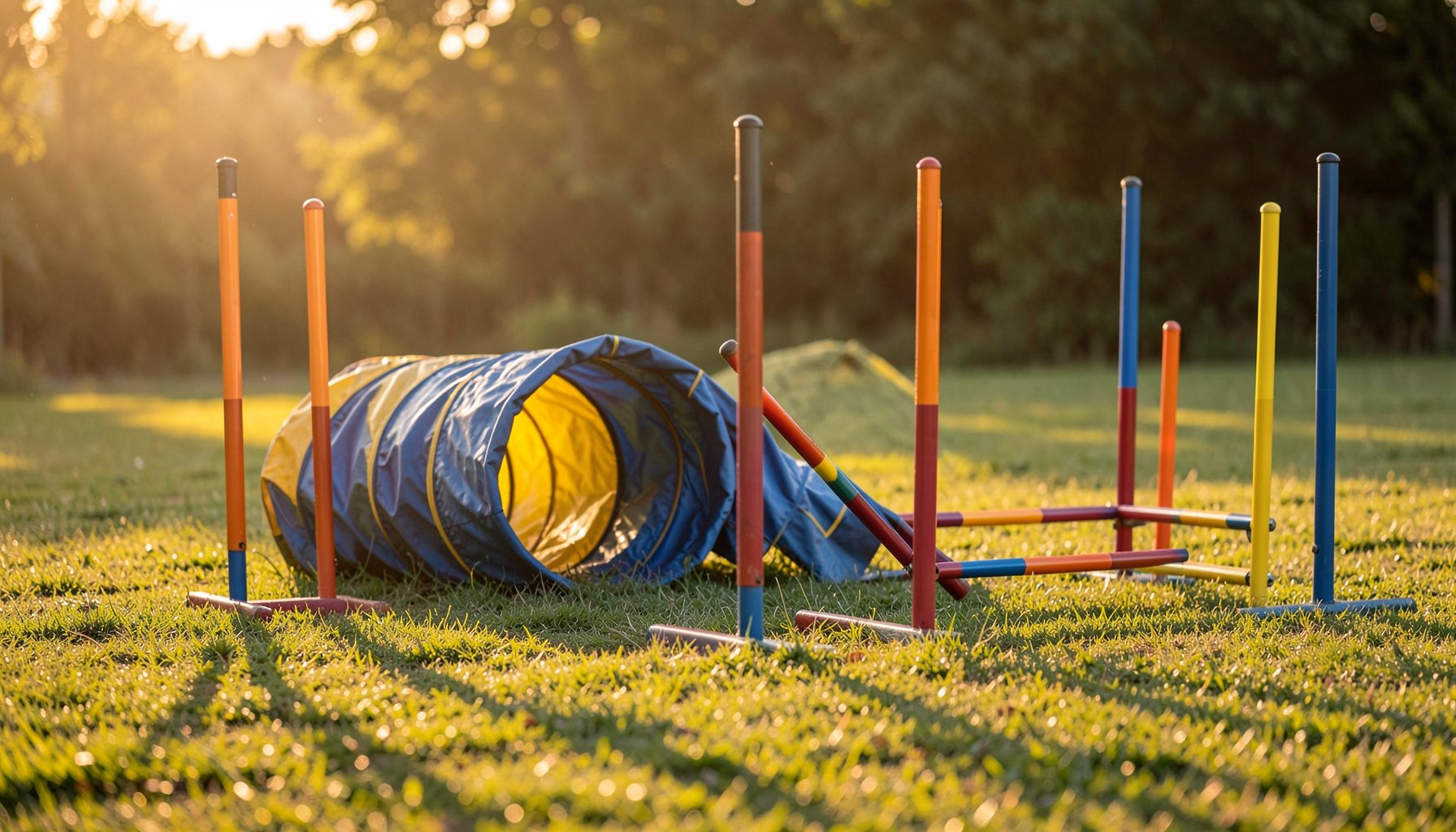
After finding a likely match, open the gallery and confirm that several images show the same venue, class and event sequence. Compare visible details such as obstacles, colours and handler numbers with your own photos or event posts; one image alone is rarely decisive.
For images with jumps, turns or fast movement, dust and action editing can help you assess crops and visual impact. Choose the original gallery image for ordering rather than an edited copy, then review how the photograph will appear in the available print or product format.
Australian buyers should check displayed Australian-dollar pricing, GST details and delivery terms before paying through the secure shopping cart. Longer journeys between states and regional venues can make the collection date just as useful as the name when help is needed to locate the right gallery.
The next concrete step is to send Pawprint Pictures one support message containing the event date, club, venue, handler surname and dog name, giving the catalogue team enough information to trace the collection without relying on the faulty title.