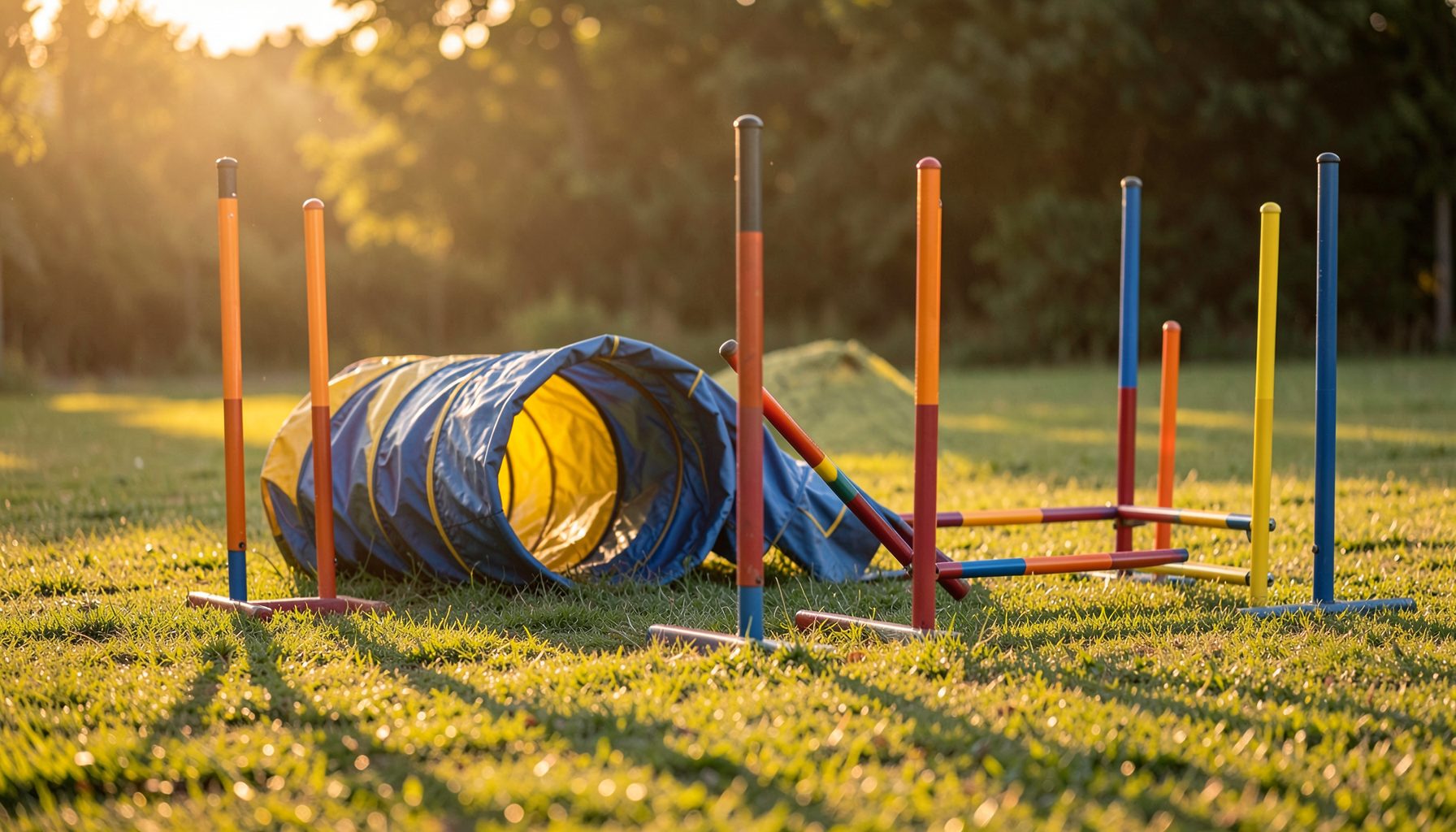
Recovering Well After A High-Energy Agility Competition
A dog agility competition can demand repeated sprints, sharp turns, jumping, climbing, and intense concentration. Even a fit canine athlete may finish the day warm, dehydrated, mentally tired, or mildly sore. Recovery begins as soon as the final run ends, not when stiffness appears the next morning.
To help your dog recover after a high-energy competition, combine a gradual cooldown with water, appropriate nutrition, quiet rest, and careful observation. The right routine supports muscle repair while reducing the chance that fatigue will affect movement, behavior, or the next training session.
Every dog responds differently. Age, fitness, weather, course difficulty, breed, previous injuries, and the number of runs all influence recovery needs. A young, conditioned dog may bounce back quickly, while an older dog or one returning from an injury may require considerably more time.
Read The Body Before Resuming Activity
Start by observing your dog’s gait, posture, breathing, and attitude. Mild tiredness is expected, but your dog should gradually return to normal breathing and show an even stride. Watch for limping, reluctance to sit or stand, repeated licking of one paw, tight movement, or unusual sensitivity when touched.
Paw pads deserve special attention after running on grass, dirt, sand, artificial turf, or rough surfaces. Check for cuts, abrasions, swelling, embedded debris, and heat-related irritation. Look between the toes as well as across the main pad surface, since small injuries can become more painful after the dog cools down.
A dog that seems disoriented, collapses, vomits repeatedly, has difficulty breathing, or remains excessively hot needs prompt veterinary attention. Pale or unusually dark gums, severe weakness, and an inability to keep water down are also warning signs rather than normal post-event fatigue.
Rehydrate And Refuel Gradually
Offer small amounts of fresh water during the cooldown instead of allowing a thirsty dog to gulp a large volume immediately. Frequent, modest drinks can be easier on the stomach. Continue offering water once your dog is resting, especially after warm-weather competition or a long day spent waiting between runs.
A balanced meal supports glycogen replacement and muscle recovery, but timing and portion size matter. Give your dog’s usual food after breathing and body temperature have settled, following the feeding routine that has already worked during training. A large unfamiliar meal, rich treats, or sudden dietary changes can trigger digestive upset.
Most healthy dogs do not need sports drinks or human electrolyte products. Some ingredients can be unsafe for dogs, and excess supplementation may disrupt normal fluid balance. Ask a veterinarian about specialized nutrition only when your dog’s workload, medical history, or competition schedule makes it appropriate.
Create A Calm Cooldown Window
A short, easy walk helps the body transition from intense exercise to rest. Keep the pace relaxed and allow your dog to sniff without pulling, jumping, or playing. This gentle movement supports circulation and gives the nervous system time to shift away from competition intensity.
Once your dog has cooled down, provide a quiet, shaded, comfortable area. A familiar crate, mat, or vehicle setup can reduce stimulation from loud announcements, other dogs, and busy foot traffic. Handlers can find useful preparation details in this agility trial checklist, including items that make post-run care easier.
Avoid vigorous tugging, ball chasing, wrestling, or repeated “test runs” later in the day. Excitement can mask fatigue, and a dog may continue playing even when muscles and connective tissues need rest. Calm enrichment, such as a chew approved for your dog, may be a better choice.
Match Recovery To The Day’s Workload
Competition intensity is more than the time spent on course. Consider the number of runs, distance traveled, waiting periods, warm temperatures, unfamiliar surroundings, and emotional arousal. A dog that ran three short courses may need less recovery than one that completed many rounds with long periods of tension between them.
The following framework can help you adjust care without treating it as a rigid schedule:
| Event Demand | Helpful Focus | What To Monitor |
|---|---|---|
| One or two moderate runs | Cooldown walk, water, normal meal, quiet rest | Normal gait and appetite |
| Several runs in cool conditions | Longer rest period, paw check, gentle movement later | Stiffness, delayed soreness, reluctance to move |
| Multiple rounds or a long trial day | Extra hydration opportunities, substantial sleep, a lighter next day | Persistent fatigue, uneven stride, digestive changes |
| Heat, humidity, or poor air quality | Shade, temperature control, frequent small drinks, rapid cooling support | Heavy panting, weakness, vomiting, confusion |
| Return from injury or advanced age | Veterinary-guided workload, conservative exercise, extended recovery | Any pain behavior or change from baseline |
The next morning often reveals more than the first hour after the final run. Mild stiffness may occur after demanding exercise, but it should improve with ordinary movement rather than worsen. Compare your dog with their normal behavior, not with another competitor’s recovery speed.
Use Gentle Movement And Planned Rest
The day after a demanding event, an easy leash walk can provide active recovery without adding significant impact. Keep it short and controlled, avoiding stairs, slippery surfaces, sharp turns, jumping into vehicles, and off-leash sprinting. If your dog moves freely and comfortably, a gradual return to normal activity may follow.
Rest does not have to mean complete inactivity for every dog. Calm sniffing, simple food puzzles, and relaxed stretching initiated by the dog can provide mental engagement. Never force a stretch or manipulate a painful joint. Massage should also be gentle and familiar, since deep pressure over a sore area can make an injury worse.
Schedule a lighter training day after a heavy competition whenever possible. Technical exercises at walking speed, handling practice without jumps, or simple focus work can preserve routine while allowing the body to recover. Full-intensity drills should wait until movement, appetite, energy, and enthusiasm have returned to baseline.
Build A Reliable Recovery Checklist
A repeatable routine makes it easier to notice small changes and prevents important care steps from being forgotten in the excitement of an event. Record the number of runs, weather conditions, food and water intake, and how your dog moves later that evening and the following morning.
Keep these recommendations in your event bag or vehicle:
- Bring fresh water, a familiar bowl, shade or cooling equipment, and a comfortable resting surface.
- Inspect paw pads, nails, coat, and visible joints after the final run.
- Offer a normal meal in a calm setting once breathing and temperature have settled.
- Plan low-impact activity and extra sleep for the following day.
- Contact your veterinarian about persistent lameness, swelling, pain, weakness, vomiting, or behavior that remains abnormal.
Photographs can also help you review movement and posture after the event. Event galleries from club shows and trials may preserve key moments, but your dog’s comfort should always take priority over capturing or revisiting every highlight. Use your observations, not a picture alone, to guide decisions about training and veterinary care.
A successful competition includes the recovery period that follows it. Give your dog time to cool down, replace fluids and energy, sleep deeply, and return to normal movement before asking for another demanding effort. After each event, make recovery part of the routine and browse the day’s photographs when your canine teammate is settled, comfortable, and ready to rest.