The Etiquette of Photography at Dog Trials and Shows
Photographing a dog trial or conformation show is a rewarding way to preserve the speed, focus, and partnership that make these events special. It is also a privilege. Every ring has its own rhythm, and photographers must work around competitors, judges, stewards, volunteers, and spectators.
Good event photography involves more than choosing a fast shutter speed and finding a clear angle. Respectful behavior protects the flow of competition and helps handlers feel comfortable while their dogs perform. Whether you are carrying professional equipment or using a phone from the spectator area, thoughtful choices make a noticeable difference.
The best images usually come from preparation. Learn the venue rules, understand when movement is restricted, and plan where you can stand without distracting a dog or obstructing an official. A little courtesy allows everyone to enjoy the event while giving you a better chance of capturing meaningful moments.
Learn The Event Rules Before Arriving
Each organization, club, and venue may set different photography policies. Rules can cover flash use, tripods, seating areas, ringside access, camera noise, and commercial photography. Agility trials may have narrow working lanes, while conformation rings often require photographers to remain outside a marked boundary.
Check the premium list, event website, or club announcements before attending. If the information is unclear, contact the trial secretary or show committee rather than assuming that a familiar practice is permitted. A photographer who understands the local expectations is less likely to interrupt judging or create tension with exhibitors.
Commercial photographers should be especially clear about credentials and access. If you are photographing for a business, ask whether a vendor fee, media pass, or permission from the host club is required. Keep identification available and respect any designated photographer areas.
Choose A Position That Protects The Ring
Your location affects competitors, judges, ring crew, and the quality of your images. Stay outside the working area unless an official has specifically invited you inside. Never lean over barriers, step into a course to retrieve equipment, or cross an active ring because you see a better angle.
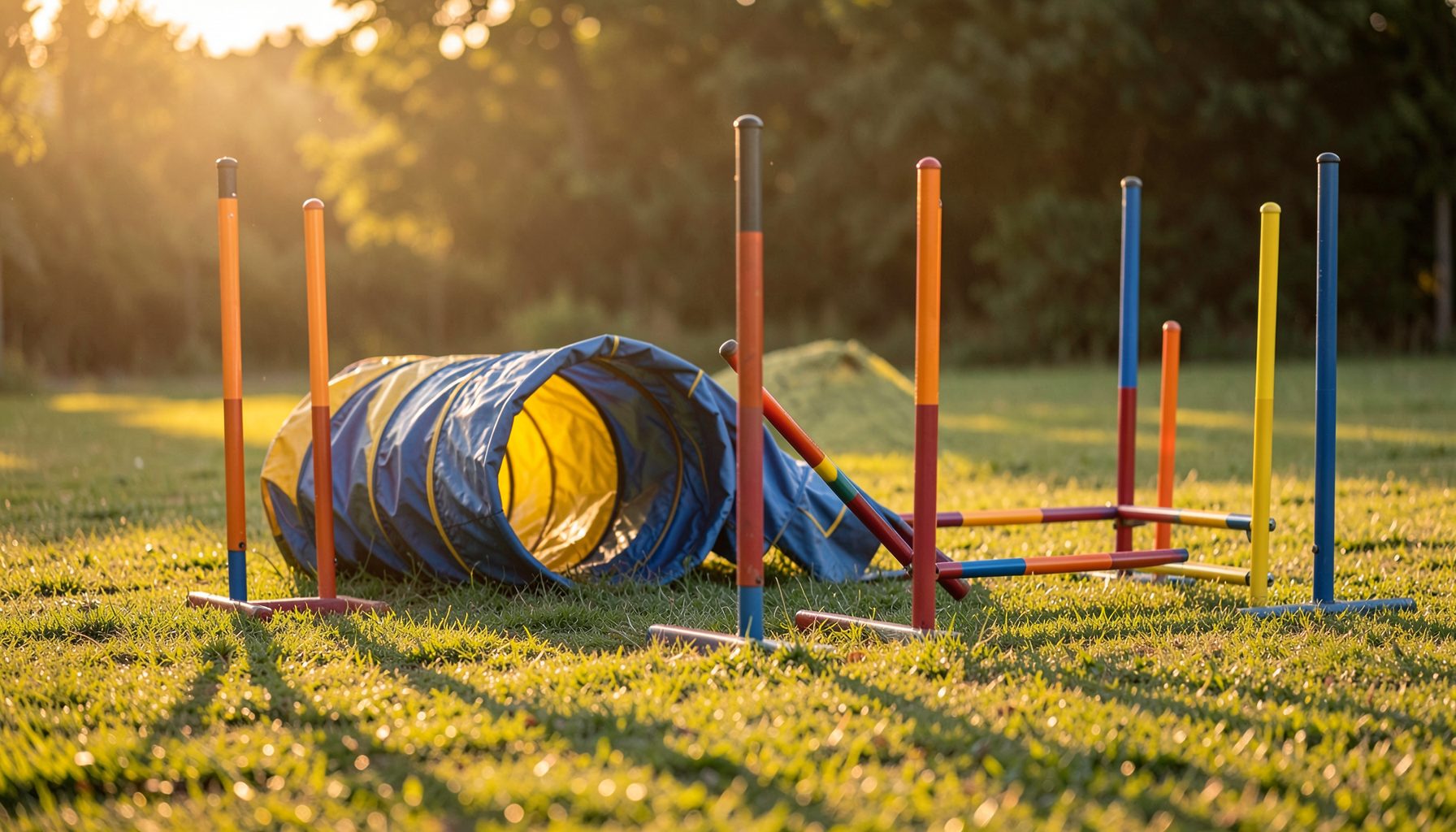
At agility events, watch for fast-moving dogs and handlers who may suddenly change direction. Keep bags, monopods, and loose straps out of walkways. Position yourself where a running dog cannot reach your equipment and where a handler does not need to avoid you while directing the course.
At conformation shows, avoid blocking the judge’s view or standing directly in front of other spectators. Kneeling can create a lower perspective, but only if it does not interfere with traffic or place you in an unsafe position. When in doubt, choose the less intrusive angle.
Keep Equipment Quiet And Predictable
Dogs respond differently to sudden sounds, bright flashes, and unfamiliar movement. Disable flash unless the event specifically permits it and the handler has indicated that it is safe. A burst of light can startle a dog during a sensitive performance, especially in an indoor venue.
Use silent-shutter features carefully. Some electronic shutters can create banding under arena lighting or produce images with distorted motion, so test your settings before the competition begins. For practical guidance on freezing action, review these camera settings for dogs before packing your gear.
Avoid loud encouragement, squeakers, treats, or gestures intended to make a dog look toward the camera. During a competition, the handler’s cues must remain the most important signals. Save attention-grabbing techniques for a portrait session that has been arranged outside the active class.
| Situation | Courteous Photography Practice | Reason |
|---|---|---|
| Agility run | Stay beyond the course boundary and keep gear contained | Prevents trips, distractions, and collisions |
| Conformation judging | Remain outside the ring and avoid blocking the judge | Preserves visibility and judging flow |
| Indoor competition | Avoid flash and test shutter settings beforehand | Reduces startling light and exposure problems |
| Awards or podium photos | Wait until officials finish their instructions | Keeps the presentation orderly |
| Breaks between classes | Ask before photographing a handler or dog closely | Respects privacy and preparation time |
Respect Handlers And Their Dogs
A handler may be concentrating on course strategy, warming up a dog, or managing nerves before entering the ring. Avoid approaching at these moments unless the person clearly welcomes conversation. A friendly compliment after a run is usually appreciated, but give the team time to finish, reward the dog, and leave the gate area.
Always ask permission before taking close-up portraits of a dog outside competition. Some dogs are reactive, anxious, recovering from injury, or uncomfortable around unfamiliar people. Do not reach toward a dog, call its name, or attempt to pose it without the handler’s approval.
When a handler agrees to a portrait, ask about the dog’s preferred side, focus, and comfort level. Keep the session efficient if other competitors are waiting. A short, calm interaction often produces a more natural image than repeated commands or forced attention.
Share Images With Care
Photographs from trials and shows can be shared quickly through social media, but posting etiquette still matters. Tag the correct handler, dog, club, and event when possible. Verify names and titles before publishing, since an incorrect identification can make an otherwise excellent image frustrating for the owner.
Ask before posting behind-the-scenes images that show private conversations, emotional moments, or dogs in distress. A dog may be photographed yawning, scratching, or appearing tired without the context of the full event. Use judgment when selecting images for public galleries, promotional material, or social posts.
If you photograph for sale, explain how owners can locate their galleries. Pawprint Pictures organizes event images by useful details such as event, club, handler, and dog, making it easier to find the right collection through its event photo galleries. Clear gallery organization and accurate captions help customers identify their dogs with confidence.
Follow A Reliable Ringside Workflow
Arrive early enough to inspect the light, background, ring layout, and spectator flow. Identify safe shooting positions before classes begin, then move only during appropriate pauses. If you need to change lenses, batteries, or memory cards, step away from crowded areas and keep your attention off the active ring.
Create a simple routine for file management. Record the event name, date, organization, and class details, then back up images as soon as practical. When several dogs look similar or multiple classes run close together, accurate notes can prevent mistaken gallery assignments.
A professional workflow also includes honest expectations. Motion blur, blocked views, and missed focus are part of event coverage. Do not promise every competitor a perfect image, and avoid editing that changes a dog’s markings, structure, or performance context. Natural color and respectful cropping generally serve owners better than heavy manipulation.
Habits That Build Trust Ringside
- Ask the host club about photography permissions before setting up equipment.
- Keep bags, straps, monopods, and personal items away from walkways and ring gates.
- Turn off flash and avoid sounds that could redirect a dog’s attention.
- Request permission before taking close portraits or publishing identifiable behind-the-scenes images.
- Give handlers and officials space during warm-ups, judging, awards, and post-run routines.
When something goes wrong, respond calmly and correct it immediately. If an official asks you to move, lower your equipment, or stop photographing, comply without debate. Event staff are responsible for safety and fair competition, and their decisions take priority over getting a particular frame.
Questions about locating an event gallery, ordering prints, or finding a missing dog’s images can be directed to the customer support center. Prompt assistance is especially useful when an event includes multiple rings, several organizations, or a large number of similar classes.
Respectful photography strengthens the community around dog sports. Prepare your equipment, learn the venue’s expectations, and let the competitors’ concentration guide your behavior. When you are ready to browse professionally captured trial and show images, visit Pawprint Pictures to find your event gallery and preserve the partnership behind every run.