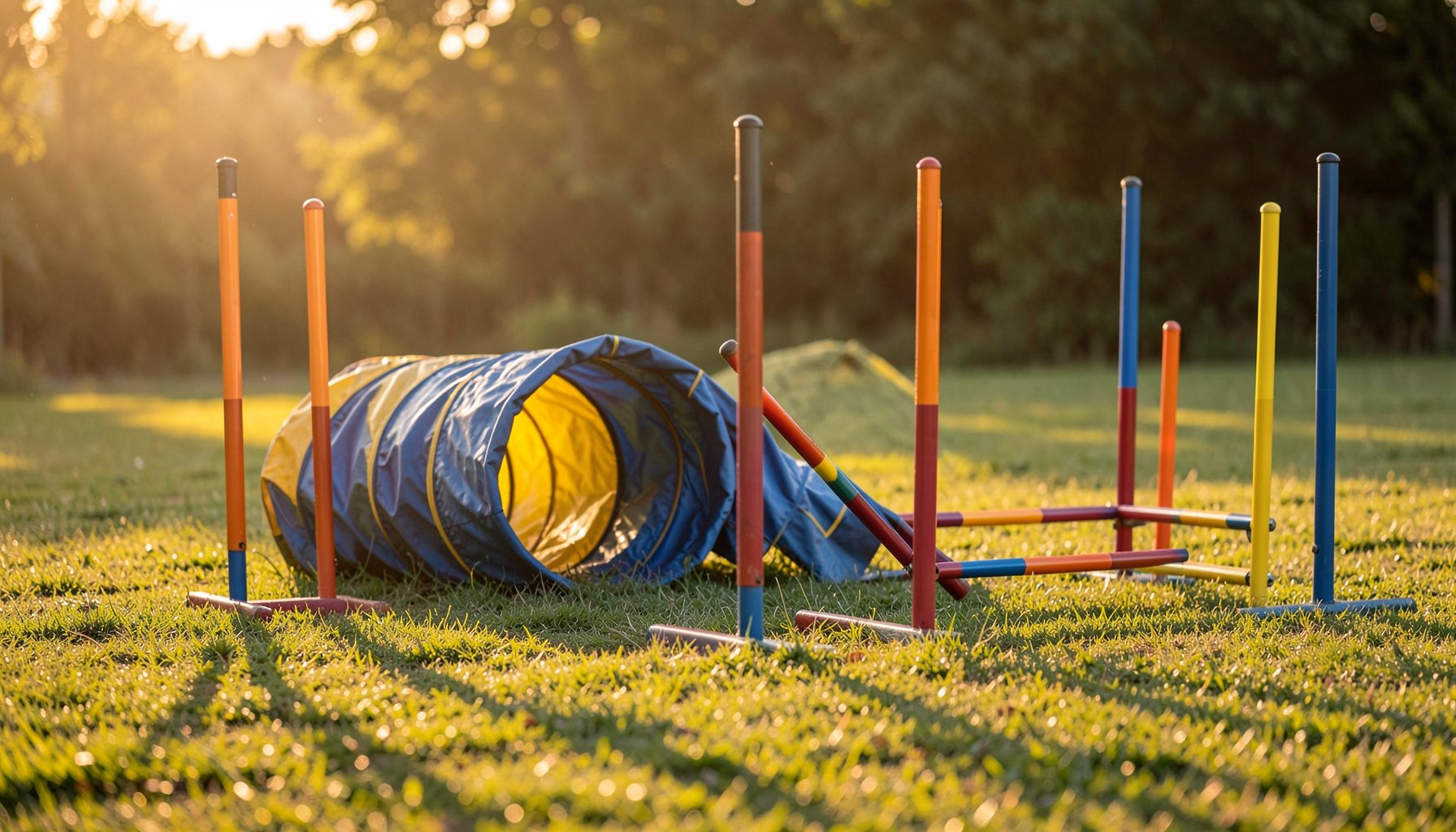
The Ultimate Guide to Choosing the Right Agility Event for Your Dog
Dog agility is available in many forms, from relaxed club fun matches to highly competitive national trials. Each event can offer a different course style, judging system, atmosphere, and level of pressure. Choosing wisely helps your dog gain confidence while giving you a more enjoyable experience as a handler.
The best competition is not necessarily the most prestigious or the closest one. It is the event that suits your dog’s training, temperament, physical condition, and current goals. A well-matched trial can make a young or inexperienced dog eager to return to the ring, while a poorly timed event may create unnecessary stress.
Before entering, learn how the organization operates, what the venue is like, and which classes are available. Reviewing previous event galleries on Pawprint Pictures can also help you understand the setting, equipment, and general atmosphere of competitions you may be considering.
Assess Your Dog’s Current Readiness
Start with your dog’s age, experience, and ability to work around distractions. A beginner may know the obstacles at home but still struggle with waiting, entering a busy ring, or staying focused while other dogs bark nearby. Competition readiness involves much more than completing a course during a private training session.
Consider whether your dog can perform essential skills in unfamiliar environments. Reliable start-line behavior, obstacle commitment, recalls, leash manners, and the ability to settle between runs are all valuable indicators. If your dog loses concentration quickly, a small local event may be a better first step than a crowded multi-day trial.
Physical readiness also matters. Agility includes jumping, turning, climbing, and sudden acceleration, so your dog should be appropriately conditioned and free from signs of pain or fatigue. Discuss recurring stiffness, unusual gait changes, or other concerns with a qualified veterinarian before entering a demanding competition.
Match The Event Format To Your Goals
Agility organizations use different rules, obstacle specifications, course designs, and scoring systems. Some prioritize speed, while others give handlers more flexibility or offer courses with varied levels of challenge. Read the premium or official event information carefully before paying an entry fee.
Decide what you want from the event. A first competition may be about gaining ring experience, earning a qualifying score, or simply discovering how your dog responds to the environment. Experienced teams may be targeting titles, ranking points, championship qualifications, or preparation for a major national event.
Look at the available classes as well. Beginner, novice, open, veteran, preferred-height, and specialty divisions may have different eligibility rules. Choosing an appropriate jump height or course level can protect your dog’s confidence and allow you to focus on teamwork instead of survival.
Evaluate The Venue And Atmosphere
The physical setting can strongly influence performance. Indoor arenas may have echoing sound, artificial turf, polished floors, or limited ventilation. Outdoor trials may involve heat, rain, uneven ground, wind, and changing distractions. Find out what surface and equipment the event will use, particularly if your dog has limited experience with either environment.
Study the venue layout when possible. A trial with parking close to crating areas may be easier for an older dog or a handler carrying multiple supplies. Shade, water access, quiet relief areas, and reasonable walking routes can make a long competition day more manageable.
Noise and crowd density deserve attention too. Some dogs thrive in a lively setting, while others work better at a smaller club show with fewer spectators. Ask experienced local handlers about the venue’s ring barriers, loudspeaker volume, crating arrangements, and general pace. Their observations can reveal practical details that event listings do not include.
Compare Competition Options
The following comparison can help you narrow down the type of agility event that fits your team. Rules vary by organization and region, so use this as a starting point and verify the current regulations before entering.
| Event Type | Often Suits | Main Benefits | Possible Considerations |
|---|---|---|---|
| Club Fun Match | Beginners and young teams | Low-pressure practice and ring exposure | May not offer official titles or qualifying scores |
| Local Trial | Developing and experienced teams | Familiar travel range and varied classes | Venue quality and schedule may differ |
| Regional Championship | Advanced competitors | High-level competition and meaningful goals | Greater pressure, travel, and entry demand |
| Multi-Day Trial | Teams building experience | Several chances to run and learn | Long days can cause fatigue |
| Specialty Or Invitational | Focused competitors | Distinctive challenge or organization-specific goals | Entry requirements may be selective |
| Training Session With Mock Runs | Dogs needing confidence | Controlled practice with coaching | Limited realism compared with a formal event |
Organizations such as AKC, USDAA, NADAC, CPE, and ASCA may differ in course flow, obstacle rules, jump heights, scoring, and title progression. Compare the rulebook with your dog’s strengths. A fast dog may enjoy a speed-focused format, while a careful, thoughtful worker may benefit from an organization that rewards accuracy and offers a generous course time.
Plan Around Training And Recovery
Your event calendar should support your dog’s development rather than interrupt it. Avoid entering a major trial immediately after introducing difficult skills, changing handling techniques, or increasing jump height. Give your dog enough training time to understand new expectations before adding competition pressure.
A useful approach is to create a progression. Begin with a familiar training facility, then attend a low-key match, followed by a local trial. Once your dog can perform consistently in those settings, consider longer travel or a busier multi-ring event. This gradual exposure can build resilience without overwhelming the team.
Schedule recovery days around competition weekends. Several runs, long periods of crate rest, and repeated walking on hard surfaces can be tiring even when a dog appears enthusiastic. Bring water, food, cooling or warming supplies, a comfortable crate setup, first-aid essentials, and any approved supplements or medications your veterinarian has recommended.
Check The Details Before Entering
Read the event premium from beginning to end. Confirm the closing date, entry limits, check-in procedure, measuring requirements, class order, refund policy, and restrictions on day-of-show entries. Some trials fill quickly, especially when they offer popular divisions or convenient locations.
Review the expected running order and estimate how much time you will spend at the venue. A single run may take only a minute, but the full day can include early arrival, course walks, waiting, multiple classes, and awards. If your dog struggles with long periods of inactivity, plan quiet walks and short engagement exercises between runs.
Look for reliable event information through local clubs, sanctioning organizations, and established photography archives. The annual event calendar can be useful when checking recurring competitions and planning around dates that matter to your household.
Use A Simple Selection Checklist
Once you have identified several possible trials, compare them against your dog’s needs instead of choosing based on reputation alone. A practical shortlist should consider training value, travel demands, cost, venue conditions, and the emotional comfort of both dog and handler.
Use these recommendations when making the final decision:
- Choose a low-pressure match or small local trial for a first competition.
- Verify the organization’s rules, class levels, jump heights, and scoring system.
- Select a venue that matches your dog’s experience with indoor, outdoor, noisy, or crowded settings.
- Allow adequate conditioning, rest, and recovery before and after the event.
- Set one realistic goal, such as settling calmly, completing a start line, or enjoying the ring.
Your own mindset is part of the preparation. Dogs often notice rushed movements, frustration, and uncertainty from their handlers. Pack early, arrive with enough time to orient yourself, and treat the first event as information rather than a final judgment of your team.
The right agility event should give your dog a fair opportunity to succeed while showing you what to practice next. Review upcoming trials, compare their formats and facilities, and choose the occasion that aligns with your dog’s readiness. Then record the experience, celebrate useful progress, and use the next event to build on what you learned.