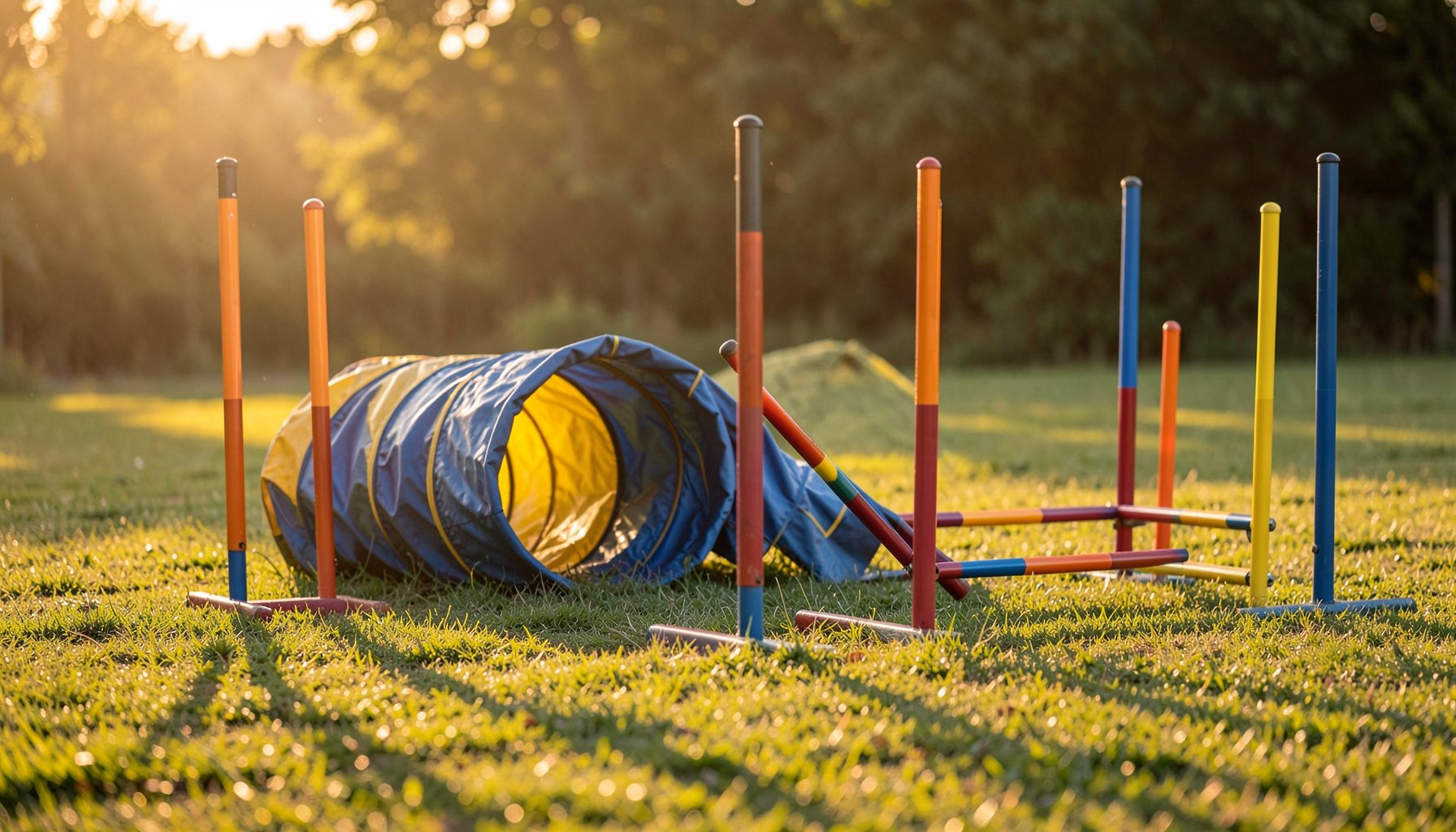
CPE Tournament vs. a Regular Trial: Photo Opportunities
Dog agility photography is shaped by the event itself. A single run can produce a powerful action image, but a full weekend may offer portraits, team moments, championship milestones, and candid scenes that never appear at a standard one-day trial. Understanding those differences helps handlers know what to look for when browsing event galleries.
The unique photo chances at a CPE tournament vs. a regular trial often come from the pace, variety, and atmosphere surrounding the competition. Both formats can produce excellent images of speed, focus, and teamwork, yet each gives photographers different opportunities to tell the story of a dog and handler.
For owners searching Pawprint Pictures galleries, this distinction can make it easier to find meaningful photographs. Event, club, handler, and dog-name categories can reveal everything from a perfectly timed jump to an emotional award presentation.
The Storytelling Rhythm Of Each Event
A regular agility trial usually has a practical, energetic rhythm. Teams arrive, walk courses, run their classes, and move on to the next challenge. Because the schedule may be compact, the strongest images often come directly from the ring: a dog launching over a spread, turning tightly around a wing, or driving toward the finish line.
That focused format can create a clear visual record of progress through the day. A handler may want one image from each run, a sequence showing a difficult obstacle, or a close-up that captures the dog’s concentration. These photographs are especially valuable when they preserve a new title, a personal best, or a successful return to competition.
A CPE tournament tends to offer a broader narrative. Multiple runs, games, levels, or cumulative achievements can create a beginning, middle, and end. The gallery may show a dog settling into the venue, building confidence through successive classes, and celebrating after a significant result.
Why Tournament Galleries Feel More Complete
Tournament settings often provide more opportunities outside the active course. Longer schedules can include downtime between runs, competitor gatherings, award ceremonies, podium portraits, and informal interactions between handlers and their dogs. These scenes add context to the athletic images and help document the entire experience.
The atmosphere may also be more celebratory. A handler checking scores, a dog resting beside its crate, or a team sharing a quiet moment after a demanding run can be just as meaningful as an obstacle photograph. Such images show personality and partnership rather than performance alone.
A tournament gallery may therefore contain a wider range of visual styles. Expect fast shutter-speed action shots, expressive portraits, wide views of the venue, and candid photographs of competitors. When reviewing a gallery, look beyond perfect runs to find images that show the dog’s character and the team’s connection.
The Strongest Moments At A Regular Trial
A regular trial can produce photographs with remarkable precision because the competition is often organized around distinct classes and runs. Photographers can anticipate common turning points: the first obstacle, a difficult contact zone, a fast weave-pole entry, or the final approach to the last jump.
These moments are ideal for showing technique. A photograph can reveal a dog’s jumping form, ear position, eye focus, stride extension, or relationship with the handler’s body language. For training-minded competitors, such images may also provide useful visual feedback about timing and handling choices.
The quieter parts of a standard trial deserve attention as well. A dog waiting its turn, stretching before a run, or looking toward the ring can make a compelling portrait. Since the event may be less ceremonious than a major tournament, these natural images often feel personal and unposed.
Comparing The Photo Opportunities
The best choice depends on what the owner wants the photographs to preserve. Someone building a record of technical progress may prefer clear action images from a regular trial. Someone documenting a milestone weekend may value the variety and emotional range of a CPE tournament gallery.
| Feature | CPE Tournament | Regular Trial |
|---|---|---|
| Event atmosphere | Extended, celebratory, and milestone-focused | Fast-moving, practical, and competition-focused |
| Action variety | Multiple runs, games, or stages may create varied images | Distinct class runs offer clear technical moments |
| Candid opportunities | More downtime, awards, and competitor interactions | Shorter pauses and more limited off-course coverage |
| Best for | Capturing a complete weekend story | Recording performance, progress, and specific skills |
| Portrait potential | Tournament portraits and celebration images | Natural portraits around staging and waiting areas |
| Gallery search | Event and dog names may reveal a larger collection | Handler, dog, and class details can narrow results |
The distinction is not absolute. A well-covered regular trial can include beautiful portraits and emotional moments, while a tournament may still produce highly technical action photographs. Coverage depends on the event schedule, ring layout, photographer position, lighting, and the number of teams being photographed.
How Course Design Changes The Image
Course layout has a major influence on the kind of photograph available. Open sections can create dramatic full-body images, with the dog stretched across a jump or accelerating down a line. Tight sequences may produce expressive turns, compressed body positions, and intense handler-dog interaction.
Contact obstacles can be especially revealing. A-frame climbs, dogwalk exits, and teeter transitions show balance, motion, and commitment. Weave poles can create rhythmic sequences, while tunnels often produce anticipation as the dog disappears and reappears at speed. A photographer who understands these choices can position for moments with both action and visual clarity.
CPE events may offer a wider mix of class formats and strategic challenges, depending on the tournament schedule. That variety can change the visual language from run to run. A fast, open course may produce bold movement, while a technical game can highlight decision-making and handler communication.
Choosing Images That Matter Long Afterward
A strong gallery is more than a collection of technically sharp frames. The most valuable photograph may be the one that shows a familiar expression, a hard-earned obstacle, or a moment that reflects the dog’s individual style. Owners should consider whether the image feels true to the team as well as whether the pose is attractive.
For tournament coverage, look for a balanced group of images. A complete set might include one powerful action frame, one candid moment, a handler-dog portrait, and an awards or milestone photograph. Together, these pictures can preserve the atmosphere of the weekend rather than reducing it to a score sheet.
For a regular trial, a smaller selection may tell the story effectively. Choose photographs that represent different skills, such as jumping, weaving, contacts, and running toward the finish. A sequence of images can also show growth over time when compared with photographs from earlier events.
Practical Ways To Find The Right Gallery
Pawprint Pictures organizes event photography so customers can search through relevant galleries instead of browsing an entire archive. Using the event name, club, handler, and dog name can help narrow the results, particularly when several rings or organizations are photographed on the same weekend.
Before ordering prints or other photo products, inspect the full gallery for variety. The first image you notice may be attractive, but another frame could better show the dog’s expression, the handler’s connection, or the scale of the accomplishment. Check neighboring images from the same run as well, since timing can change the quality and emotion of an action sequence.
Ways To Build A Meaningful Set
- Select one image that clearly shows the dog’s athletic movement.
- Add a frame that captures personality, focus, or the bond with the handler.
- For a tournament, include an award, celebration, or off-course memory when available.
- For a regular trial, choose photographs that represent different obstacles or skills.
- Compare several related frames before selecting prints or digital products.
Whether the event is a CPE tournament or a regular trial, the most memorable photographs connect performance with personality. An image of a clean jump is rewarding, but an image that also conveys confidence, determination, or joy will continue to feel important years later.
Browse Pawprint Pictures by event, club, handler, or dog name to locate the photographs that reflect your team’s latest achievement. Review the complete gallery, choose the moments that tell your story, and preserve them as prints or other photo products you can enjoy beyond the competition weekend.