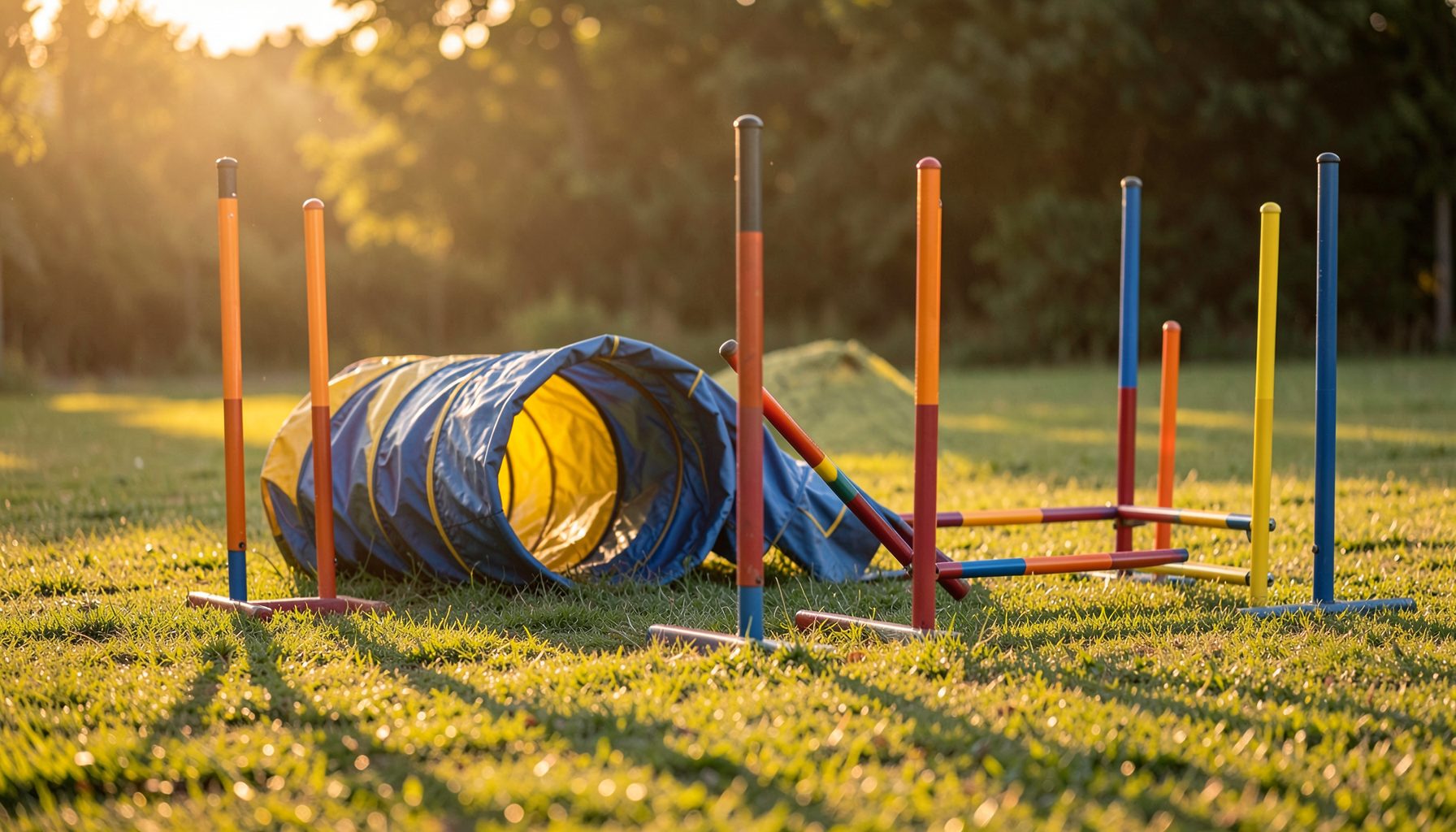
Finding A Misspelled Handler Name In A Dog Agility Gallery
Searching for event photographs should be straightforward, but a small spelling error can make a handler’s gallery seem to disappear. A missing letter, swapped surname, shortened first name or an old registration detail may prevent the expected results from appearing, even when the images are safely filed under the correct event.
This is particularly common after busy agility weekends, where photographers are working across multiple rings, clubs and classes. A handler may have entered under a married name, used a nickname, or been listed differently in the running order and results sheet. The name in the gallery may reflect the event paperwork rather than the spelling used on social media or a membership record.
Australian competitors can also be searching across large distances and different event systems, from a Sydney trial to a Melbourne club show, a Brisbane training day or a regional event in Western Australia. Using the event date, club and dog name together is often more effective than relying on a single handler-name search.
Start With The Event Details
Begin by confirming the event title, host club, venue and approximate date. Search for the gallery connected with the correct weekend before trying variations of your name. A photographer may have separated Saturday and Sunday galleries, split rings into different folders, or listed a trial by the club name rather than the venue.
The club shows and trials area can help narrow the search when several competitions took place in the same month. Note the organisation involved, such as ANKC-affiliated events, USDAA, NADAC, CPE or ASCA. This information can distinguish a Queensland training session from a similarly named New South Wales trial.
Australian events are often advertised using abbreviations, local venue names and club initials. A show held at KCC Park may be easier to locate under the club or event series than under the suburb. Likewise, a trial near Adelaide or Canberra may appear under the organising club rather than the broader city name.
Search Beyond The Exact Spelling
When the exact handler name produces no result, test likely variations. Remove a hyphen, apostrophe or space from the surname, and try common shortened forms of a first name. A name such as “Mackenzie” may appear as “McKenzie”, while “O’Connor” could be recorded as “Oconnor” or “Connor”.
Also check for transposed letters and repeated characters. Data entered quickly from a catalogue can turn “Katherine” into “Kathrine”, or “Phillips” into “Philips”. If the gallery search accepts partial terms, enter only the first few letters of the surname rather than the complete spelling.
Consider whether the photographer has used a registered competitor name, household account name or team name. Some handlers compete under a kennel prefix, while others share a surname with several people at the same club. Searching a distinctive part of the name can reveal results that an exact-match search hides.
Use The Dog Name As Your Anchor
A dog’s name is often the most dependable route into a gallery. Try the registered name, call name and any distinctive word from the dog’s title. A dog listed as “Southern Cross Rocket” might be searchable as “Rocket”, “Southern Cross” or simply by the first unusual word.
Titles and punctuation can create extra differences. A dog may appear with agility titles, a kennel prefix, capitalisation changes or an abbreviated registered name. If the event catalogue uses a call name but the gallery uses the registered name, searching both versions can uncover the same set of photographs.
Look for visual confirmation once you find a possible dog gallery. Check the breed, coat colour, handler clothing and obstacles in the background. This matters at large grounds in Melbourne, Sydney or Perth, where several rings may run simultaneously and multiple dogs can share similar names.
Check Club And Competition Context
If a name search fails, browse by club, class or ring. A gallery may be organised by event first, then by handler, dog or time slot. Reviewing the surrounding folders can reveal a near-match, especially when one competitor’s name was entered with a typographical error.
Compare the gallery details with your own records, including the running order, class list and results page. The spelling used in the official catalogue is a useful clue, but it is not infallible. A volunteer may have supplied one version at check-in while the photographer received another version from the club.
This is also a good time to check whether you are looking in the right country or competition category. Australian handlers may compete under local club systems while travelling to events governed by different rules or organisations. A CPE gallery and an ANKC-affiliated club gallery may use different naming conventions, even when the venue and photographer are the same.
Contact Support With Useful Information
If you still cannot locate the images, contact gallery support with enough detail for a manual search. Include your correct handler name, possible misspellings, dog’s registered and call names, club, event date, venue, class and approximate ring time. A description of your clothing or your dog’s appearance can also help identify photographs.
Avoid sending only “my photos are missing”. A precise message allows the support team to search alternate folders and check whether the images were filed under the dog, another spelling or a neighbouring class. Mention whether you ran agility, jumping, games or another class if the event included several disciplines.
Once the correct gallery is found, review the full sequence rather than selecting the first image you recognise. Professional event photography may include approach shots, contacts, turns, finishes and candid portraits. A strong portrait can capture your dog outside the ring too; these professional dog portraits can be especially meaningful when ordered alongside action photographs.
Keep A Search Routine That Works
A repeatable process reduces frustration when a handler name has been misspelled. Record the event information first, then search broad terms before narrowing the results. The comparison below shows which details are most useful at each stage.
| Search detail | Why it helps | Example variation |
|---|---|---|
| Event date | Separates similar competitions | 12–13 October rather than October |
| Club name | Identifies the correct organiser | Northern District Agility Club |
| Dog call name | Often easier to recognise | “Rocket” instead of full registered name |
| Surname fragment | Avoids spelling errors | “O’Con” or “Conno” |
| Class or ring | Narrows a large gallery | Novice Jumping, Ring Two |
| Venue or city | Distinguishes travelling events | KCC Park, Melbourne |
Use this short checklist when a gallery search returns nothing:
- Confirm the event date, venue and organising club.
- Search the dog’s call name and registered name separately.
- Try surname fragments, alternate spacing and likely typos.
- Browse nearby classes, rings or alphabetised folders.
- Contact support with the running order and visual details.
Australian buyers should also check product prices, delivery information and currency before completing an order. Prints, digital files and other products may be available through the secure shopping cart, while delivery to a regional address can take longer than delivery within Sydney, Melbourne or Brisbane. Saving the gallery link and order details is sensible if you plan to purchase images for a scrapbook, club presentation or end-of-season awards.
The most effective approach is to treat the handler name as one clue rather than the only key. Start with the event, add the club and date, search through the dog’s name, then test spelling variations and nearby categories. If those steps fail, provide support with enough information to trace the entry manually. That routine turns a misspelled name from a dead end into a practical search problem with a clear solution.