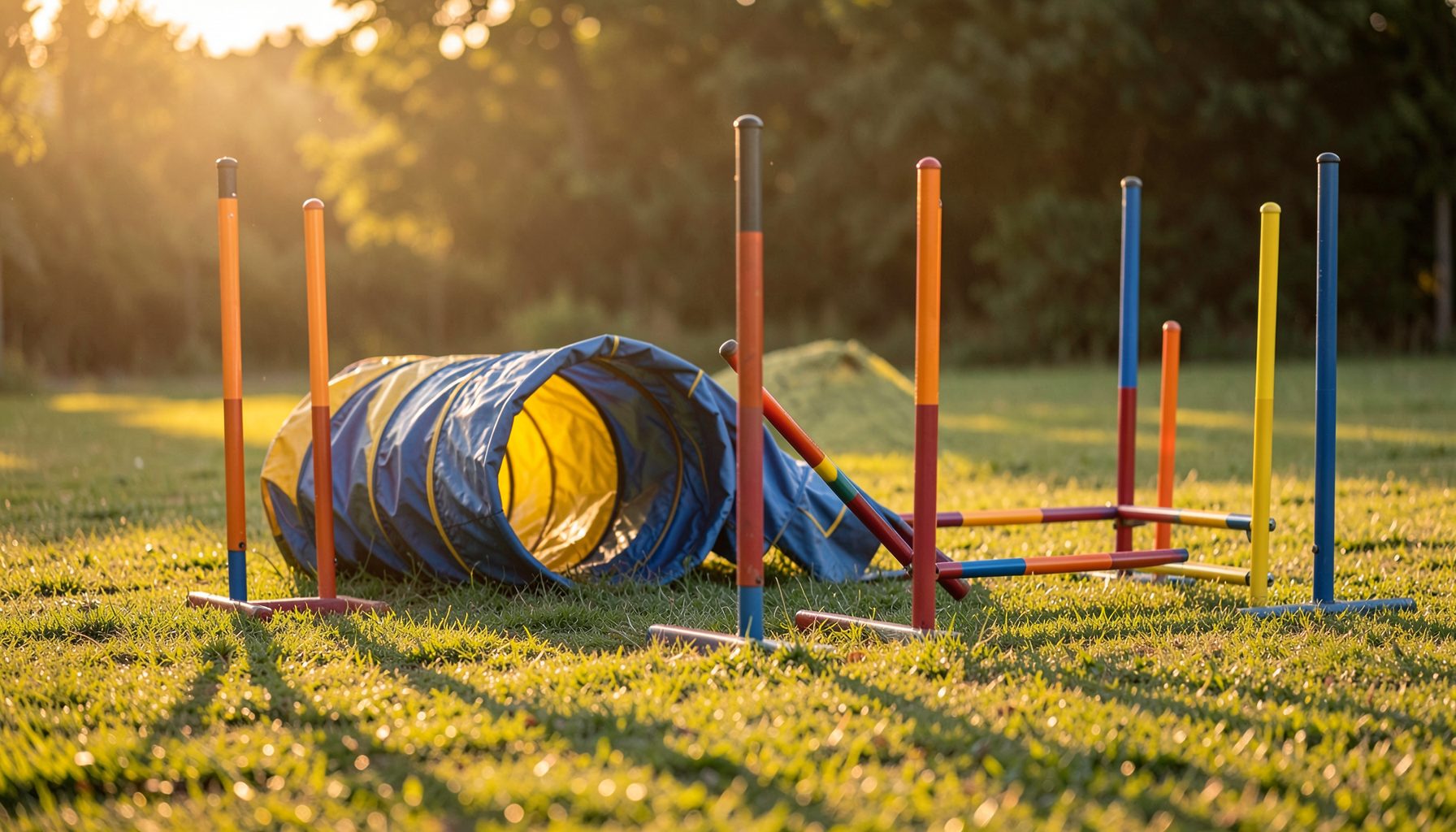
Choosing the Perfect Framed Photo for Your Dog's Competition Wall
There's something deeply rewarding about watching your dog launch over a jump or weave through poles, and capturing that moment in a frame turns a fleeting second into a lasting tribute. For handlers across the country, the wall at the end of the hallway or above the desk has become a quiet gallery of partnership, grit, and the long road of training. A well-chosen framed print does more than decorate; it tells the story of a season, a club, and a bond built one run at a time.
Australian dog sports have grown into a serious pursuit, with thousands of competitors travelling to events from regional showgrounds in Bendigo to the Brisbane Royal Queensland Show. Each trial generates hundreds of images, and sorting through them can feel like looking for the perfect barrel in the Tanunda wine country. The trick is knowing what makes one photograph worth hanging and which details matter when the image finally meets the wall.
This article walks through the practical decisions behind ordering a framed print from a dog agility gallery, from selecting the right shot to keeping it looking sharp in our sometimes unforgiving climate. Whether you are a first-time handler or a seasoned competitor, these considerations will help you invest in a piece you will be proud to display for years.
Selecting a standout image from the event gallery
The first decision is the photograph itself, and not every great action shot will translate well to a large framed print. Sharpness on the eyes, clean lines through the weave poles, and the expression of your dog mid-stride matter far more when the image is blown up to A2 or larger. Look at the background too, because a cluttered scene can distract from the partnership you are trying to celebrate. A clean jump or open grass at a club trial often makes for a stronger composition than a busy ring at a major show.
Choosing the right photograph involves a kind of quiet calculation, the same instinct that guides winning strategies in tournaments, where reading the moment separates the careful player from the rest. Many handlers find it helpful to shortlist three or four favourites before narrowing down, and a useful starting point is this guide on spotting quality photos that walks through what separates a casual click from a print-worthy moment. Browse by handler and dog name to find every shot from your run, then compare similar sequences to see where the light, the position, and the timing all came together. If you trained all year for a single clean round at the Melbourne Dog Club trial, that is the image you want to remember.
Choosing frame materials that suit Australian homes
Once the image is locked in, the frame becomes the next layer of personality. Australian homes run the full range from weatherboard Queenslanders to inner-city apartments, and the frame should harmonise with the space rather than fight it. A slim matte black or white box frame keeps the focus on the dog, while a natural timber like oak or walnut can echo the look of a polished floorboard. For coastal homes where salt air is a constant, avoid untreated raw materials that can warp or mark over time.
Matting is worth considering even if it is not strictly necessary, because a clean white border lifts the photograph away from the frame and gives it room to breathe. Conservation-grade mat board protects the image from the glazing and slows any chemical interaction over the years. If you are ordering through a service such as professional event photography, the print and frame are usually matched, so it pays to flag the room the piece will live in so the supplier can recommend a finish that handles our dry summers and damp winters alike.
Getting the size and placement right
Sizing is where many handlers either play it too safe or go too big, and both can end in disappointment. A common rule is to measure the wall space and choose a print that fills roughly two-thirds to three-quarters of the available area, with enough breathing room around it. For a hallway display, an A3 or A2 frame works beautifully, while a statement piece above a sideboard can comfortably take an A1 or larger. Always check the viewing distance too, because the finer details of a weave-pole entry or a sharp turn only sing when you can step back and study them.
Placement matters just as much as size. Avoid hanging a framed print in direct sunlight, which can fade the image and damage the paper over a single Australian summer. North-facing walls in Sydney or Perth can be particularly harsh between October and March. Instead, choose a wall with indirect or filtered light, and keep the piece away from heating vents, open fireplaces, and areas where humidity builds up, such as laundries or unconditioned garages used as home offices.
Customising your print for a personal touch
Customisation is what turns a generic frame into a personal keepsake, and there are several options worth considering. A small engraved plate beneath the image, listing the dog's call name, the event, and the date, adds a layer of storytelling without crowding the photograph. Some handlers add the club name or the judge, particularly for a special win at a Royal show or a club championship. If the image captures a qualifying run, you might include the title earned that day.
Colour tones can be adjusted during printing as well, and it is worth asking the lab whether you can request a slightly warmer or cooler grade. Many Australian handlers prefer a subtle warmth that echoes the golden light of a winter morning at a country trial. A borderless or full-bleed print gives a modern feel, while a classic mat suits a traditional home. Discuss these options with the printing service so the finished piece reflects both the dog and the household it lives in.
Caring for the finished piece in Australian conditions
The Australian climate is not always kind to artwork, and a framed photograph needs a small amount of ongoing care to stay at its best. Keep the glass clean with a soft microfibre cloth, and avoid household sprays that can leave residue on the glazing or seep under the frame. In humid regions along the east coast or in tropical north Queensland, consider a silica gel packet behind the frame to absorb excess moisture, particularly during the wet season.
Dust the frame gently every few weeks, and check the backing board annually to make sure the seals remain tight. If you ever need to relocate the piece for renovations or a house move, wrap it in acid-free tissue and pack it flat rather than on its edge. With a little attention, a well-made framed print will look as crisp in a decade as it did the day it arrived, and it will keep telling the story of that perfect run for years to come.
A few practical tips before you order
- Check the resolution of the chosen file before ordering a large print, because a small web image will not hold detail at A2 or above.
- Ask the lab about paper type, since a satin or lustre finish tends to resist fingerprints and glare better than high gloss.
- Confirm the frame depth if you are ordering a mat, so the print does not sit too close to the glazing.
- Request a proof or low-resolution draft if the service offers one, to spot any cropping or colour issues before production.
- Compare turnaround times during peak season, when Sydney and Melbourne event volumes spike between April and August.
- Keep the digital file backed up after ordering, in case you ever want a second copy or a smaller gift print for a fellow handler.
A framed photograph of your dog in full flight is one of the few pieces of home décor that combines genuine sporting memory with real emotion, and the time spent choosing it pays back every time you walk past. Start with a strong image, match the frame to the room, and protect the print from the harsher corners of our climate, and the wall will carry that winning run for many seasons to come.