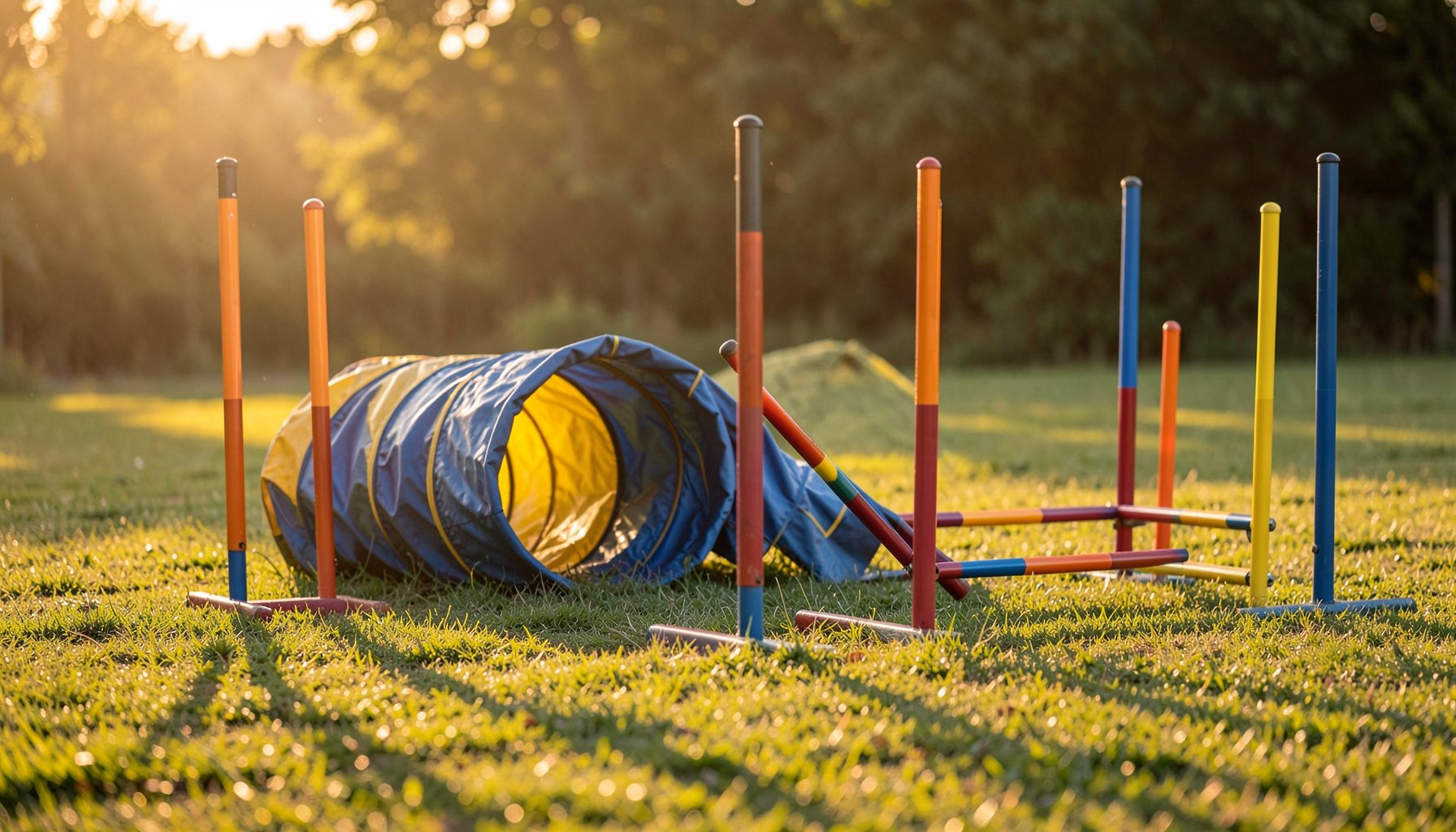
Why The Ribbon Table Belongs In Every Event Gallery
A dog agility event is remembered through more than fast contacts, tidy weaves and a clean finish. The ribbons, rosettes and trophy displays tell part of the story too. They show what was being celebrated, which classes were running and how the day felt from the ringside. Learn more about Mobile Veterinary Service.net.
That is why Pawprint Pictures includes a photograph of the ribbon table in each event gallery. It gives handlers a useful visual reference, adds context to the collection and helps turn a group of action shots into a more complete record of the trial, club show or training day.
A Visual Anchor For The Event
When people open a gallery several weeks after an event, the ribbon table provides an immediate sense of place. The colours, club logo, sponsor boards and event signage can identify the competition before a handler has even searched for a dog’s name. It works like a visual signpost within a large collection of images.
This is particularly helpful when a photographer has covered several rings, grades or disciplines at one venue. A ribbon-table image separates one event from another and gives the gallery its own identity. Whether the day took place at a showground outside Melbourne, a club field near Brisbane or a regional venue in New South Wales, that opening detail makes the archive easier to recognise.
The display may also include details that action photographs cannot capture, including class names, judge information and the host club’s branding. Those small elements can become valuable when someone returns to the gallery months later to find a particular run.
Helping Handlers Match Photos To Results
Agility handlers often search for photographs while juggling plenty of information: a dog’s registered name, a call name, a running order, a height category and several class results. A ribbon-table photograph gives those details a visual setting, making it easier to confirm that the gallery belongs to the correct event.
This matters when a weekend includes multiple trials at the same grounds. Many Australian competitors travel long distances for a full programme, sometimes combining an early start with a long drive home in the arvo. A clear gallery marker reduces uncertainty when similar-looking rings, jumps and club shirts appear across several collections.
Pawprint Pictures also organises images by event, club, handler and dog wherever possible. The event photograph works alongside those search options rather than replacing them. If a result sheet, catalogue or social-media post uses a slightly different spelling, the ribbon display can help a customer recognise the right gallery before placing an order.
For a broader view of available club show galleries, handlers can browse collections that bring together trials, shows and related competitions. That makes the ribbon image useful for discovery as well as identification.
Preserving The Character Of The Day
A ribbon table records the personality of a club. Some organisers create a neat, formal display with trophies lined up in rows. Others use bright rosettes, handmade signs, sponsor products or a tablecloth in the club colours. These choices say something about the people who put the event together.
For competitors, those details can carry strong memories. A handler may remember a first pass, a dog’s final qualifying score or the day a young team earned its first major placing. The photograph of the ribbons connects the individual action shot to the wider occasion, including the volunteers, judges and club members who made the event possible.
It also supports accurate storytelling. A social post or club newsletter can use the image when announcing results, thanking sponsors or marking an anniversary. A well-prepared event recap, with practical writing support when needed, can pair the ribbon display with selected competition photographs and create a clearer record for the club community.
Useful Details For Australian Events
Australian agility has its own practical rhythm. Competitors may move between AKC, USDAA, NADAC, CPE and ASCA events, and the terminology, class structure and award styles can vary. A ribbon-table photograph preserves the visual clues that distinguish one organisation’s event from another.
Weather and distance also shape the local experience. A windy day in Geelong, a hot weekend near Adelaide or a wet trial around Sydney can change how a ribbon display looks and how the event is remembered. Outdoor clubs often work around shade, uneven ground and sudden showers, so the table may capture the conditions as much as the awards.
The image can be especially valuable for people who could not attend. Family members, breeders and club supporters may live interstate or in regional areas where a quick trip to a metropolitan event is not realistic. A gallery that shows the awards area helps them feel connected to the whole day rather than seeing only isolated runs.
A ribbon-table image may preserve:
- The event name, date and host club
- Class, grade or height information
- Sponsor logos and local club branding
- The colour and style of the awards display
A Record That Extends Beyond The Winning Run
Action photography focuses on movement: a take-off, a tight turn, a tunnel exit or a handler’s concentration. Those images are exciting, but they represent only seconds of a long day. The ribbon table widens the record by showing what happened around the runs and what competitors were working towards.
This is useful for training as well as competition. A handler may compare practice photographs with official-trial images to understand how a dog responds to different environments, surfaces and levels of pressure. The advantages of photographing practice sessions become easier to appreciate when both types of gallery are viewed as part of the same development story.
The awards display can also mark a transition in a dog’s career. It might show the first ribbon earned in a new height class, a return to competition after a break or a milestone that means more to the team than the placing itself. Those moments are easy to overlook when records are kept only through result sheets.
When a printed photograph is ordered, the ribbon image can sit alongside a favourite action shot in a home office, hallway or club noticeboard. It adds context to the individual portrait and helps explain why that particular run mattered.
Making Gallery Browsing More Certain
Online event galleries can become extensive, especially when several photographers cover a busy weekend. Customers may browse hundreds of images while looking for a dog that ran multiple classes. A recognisable first image lowers the mental effort involved in checking whether they are in the right place.
It also supports a more reliable purchasing process. Before adding a print or other photo product to the secure shopping cart, a customer can verify the event, club and date. That simple check helps prevent an order being made from a similar gallery or from the wrong trial held at the same venue.
A useful gallery should serve both the experienced competitor and the newcomer who is still learning how events are organised. The ribbon display provides an approachable starting point, while searchable names and event categories offer a faster route for regular handlers.
The best browsing habits include:
- Confirming the event date before searching by dog name
- Checking the host club and venue against the ribbon display
- Comparing class details with the handler’s running records
- Saving a gallery link before ordering prints or digital products
For clubs, this image also creates a consistent visual standard across the season. A sequence of ribbon-table photographs can show how awards, sponsors and presentation styles evolve from one trial to the next. It becomes a quiet archive of the club’s work, ready to revisit when planning future events or celebrating a major anniversary.
The photograph does not compete with the action images; it frames them. It explains where the run belongs, what the competitors were pursuing and why the day deserves to be remembered. For Australian handlers travelling from a local suburban club or across several hours of country road, that context gives the gallery lasting value.
The next time you open an event gallery, begin with the ribbon-table photograph, confirm the date and club, then search for your dog’s name.