Why Every Gallery Needs a Course Map
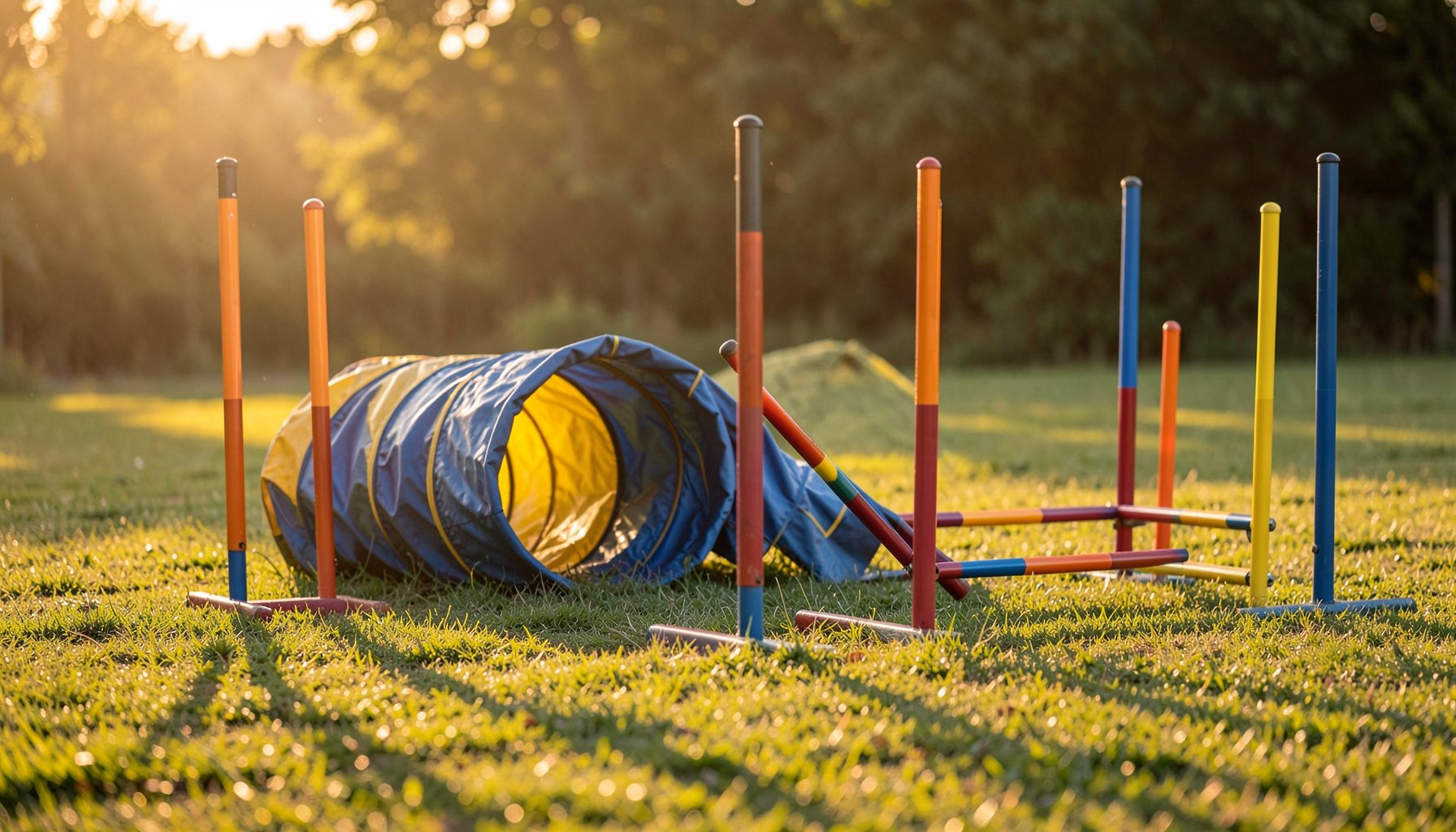
A gallery of agility photographs can be thrilling, but a fast run is easy to misremember. One dog clears a frame, the handler pivots, and the next image can seem like a different course. We include a shot of the course map in every gallery for reference, giving the sequence a fixed visual starting point.
At Pawprint Pictures, that reference sits beside photographs from club shows, trials and training sessions. Visitors can browse by event, club, handler or dog, then use the map to place a run in context. The result is more than a collection of action shots: it is a searchable record that can be checked, shared and revisited.
Australian agility events take place on grass, synthetic surfaces and indoor layouts at venues around Sydney, Melbourne, Brisbane and Perth. A map helps a handler identify the course, compare runs and understand the judge’s intended sequence, while preserving the movement and emotion in the photographs.
A Reference for Every Run
A course map answers a basic question that captions often cannot: where was this obstacle in relation to the next? It shows the start and finish, the direction of travel and the order of equipment, so a viewer can follow a handler’s line through a run. For anyone reviewing several entries, that spatial information turns scattered images into a coherent sequence.
The map also gives technical photos a frame of reference. For a handler checking the shape of an A-frame, the map establishes where that obstacle sat, while A-frame photography guidance explains the details that make a well-executed frame recognisable. Together, they make a dramatic photograph easier to assess without pretending that a still image can replace video analysis.
Australian Venues and Variable Conditions
Australian courses vary as much as the venues that host them. Outdoor rings at regional showgrounds, synthetic mats in suburban clubs and indoor arenas used for evening events can all change footing, sightlines and run speed. Sydney’s coastal weather may bring rain, while summer heat in Melbourne, Brisbane or Perth can make an indoor layout the practical choice. The map records the designed course even when conditions alter the run.
Clubs often juggle open runs, novice classes, finals and training nights on the same calendar, and a photograph alone may not identify which set a dog faced. The map gives volunteers, judges and handlers a shared reference when comparing entries or preparing a gallery. For Australian buyers who expect GST included and prices in Australian dollars, the secure cart for prints and photo products provides a familiar purchasing experience. A dog recovering from surgery needs rest rather than another demanding outing, and post-surgical recovery advice explains the value of calm, low-stress home care.
Turning Images Into a Usable Record
Once the layout is visible, the gallery becomes easier to navigate and more useful after the event. A handler can distinguish two runs that begin in the same direction, a club can explain why a photograph looks unfamiliar, and a judge’s course design can be understood by people who were not at the ring.
Think of the map as the key that distinguishes a photograph from a referenceable moment. It gives the image an address: this dog, this handler, this sequence of obstacles, on this day.
| Gallery view | What it communicates | Reference value |
|---|---|---|
| Action photograph alone | The dog’s movement, expression and body position at one moment | Captures performance and mood |
| Action photo paired with the course map | The same movement within the obstacle sequence | Confirms where the run occurred and how the course was set |
That context is useful when a personal project grows from the gallery. A handler who wants to revisit a dog’s best runs can create a custom photo calendar, using the map image as a quiet reference point among the action pictures. The finished calendar becomes a record of progress rather than a loose set of favourites.
A Shared Resource for Clubs and Handlers
Galleries become working club records when images are easy to find. Pawprint Pictures organises photographs by event, club, handler and dog, including labels such as AKC, USDAA, NADAC, CPE and ASCA. For Australian handlers who compare local competitions with overseas trips, those labels help keep an extensive personal archive coherent. The map lets a member locate the exact run without relying on memory or a social-media caption.
Clubs can share a gallery link with members, sponsors and judges while keeping the context of each course visible. It is important, though, to keep a photograph in its proper place: a captured stride cannot diagnose a lameness or a recovery. If a dog needs a clinical opinion, Ryan Llera’s veterinary resources can be a starting point, while event staff follow veterinary advice about rest, exercise and returning to training.
Practical Ways to Use the Map
Once the map is in the gallery, it can do more than orient a visitor. Its value comes from applying it to the practical work of sorting, comparing and sharing an event archive.
The strongest archive habits begin with basic event details. These steps keep the map useful long after the competition programme has been packed away.
- Keep the map image with notes on the event, class and run so the reference is available when the original programme is gone.
- Use the map to place action photographs in the order the obstacles were faced rather than relying on file names alone.
- Compare training and competition layouts to see how a club or judge has changed the problem.
- Share the map with a trainer when discussing a technical fault, especially around jumps, tunnels and weave entries.
- Match each dog’s images to its handler and event labels so a busy season remains easy to search.
- Record unusual weather or surface conditions alongside the map to explain changes in speed, timing and route choices.
- Print the map with a favourite sequence when creating an album or ordering a photo product.
Prints and products can carry that same logic. A collage of titles and ribbons can place achievement photographs beside the course reference, making a dog’s competitive history easier to appreciate than a stack of unlabelled images.
Keep the Course in View
The map is not a replacement for the photographs. Its value comes from working with them: one preserves the feeling of a run, while the other preserves the conditions that made the run intelligible. Together they help a handler explain a result, a club retrace a competition and a family recognise the day years later.
The course is the detail that turns a favourite photograph into a durable reference. It confirms the route, fixes the moment in space and gives every action image a place in the story. Years later, that complete picture remains more useful than an isolated moment of speed.